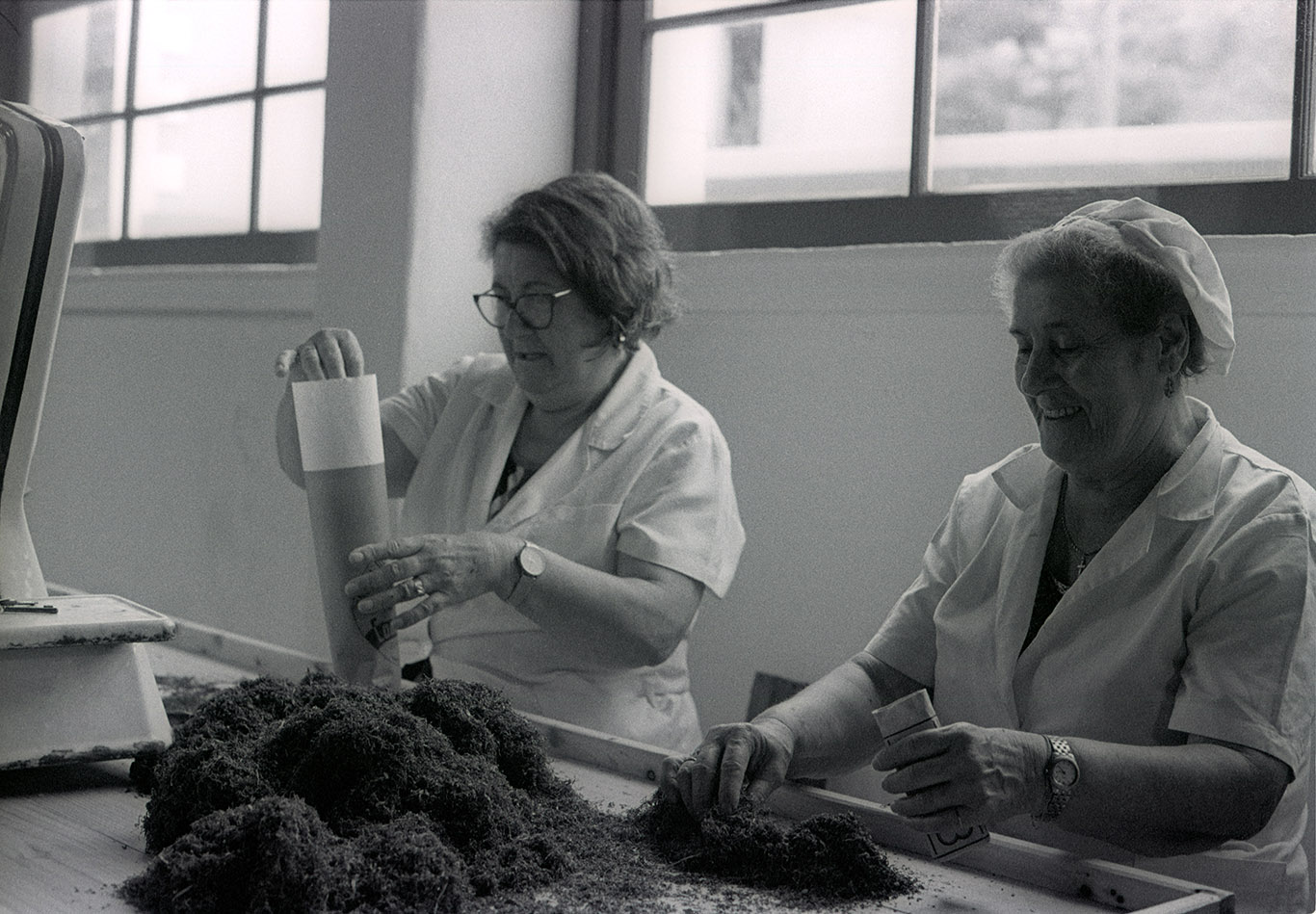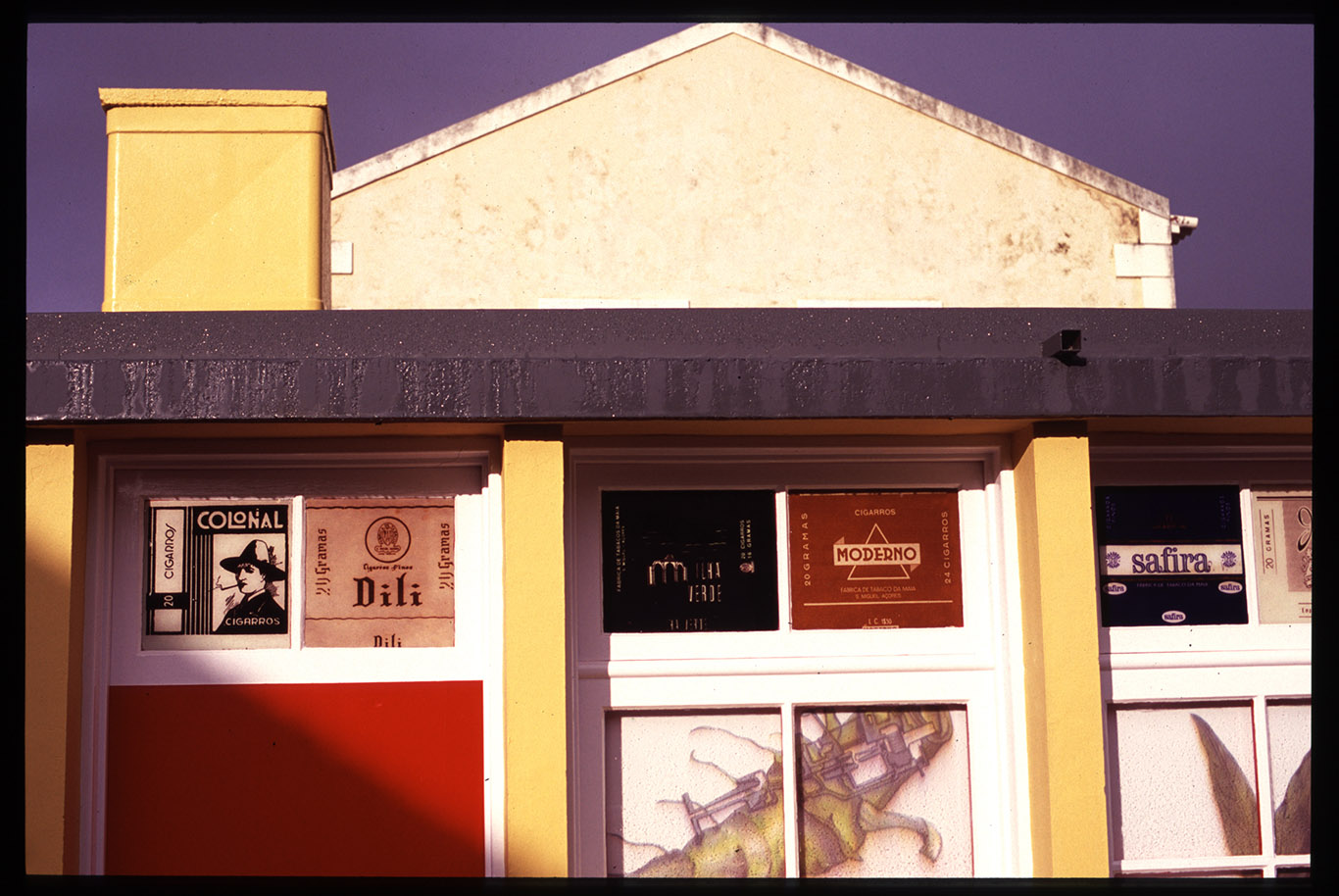
The Tobacco Museum is located on São Miguel Island, in the Azores, in the town of Maia, parish of Ribeira Grande. It was established following the acquisition, in 2004, of a former tobacco factory by the Santa Casa da Misericórdia do Divino Espírito Santo da Maia, with the purpose of creating a museum on the site.

I collaborated on this project for 12 years—first in 2009, working on the audiovisual component of the agricultural area, initially at the Casa Nova and the drying house (Secador), and more recently in 2023, with the industrial section that marked the completion of the project.
In 2019, I was also the author of the photographs and audiovisual content for the Welcome Center, which was installed within the perimeter of the former factory, an initiative of the Municipality of Ribeira Grande.
THE AGRICULTURAL AREA: CASA NOVA AND DRYING HOUSE


Through two video projections installed in two separate buildings—the Casa Nova and the Secador—visitors can observe the different phases of the technical processes involved in transporting, weighing, and baling tobacco, following paths both inside and outside the exhibition space.


The image and sound place us in close proximity to the sites where the main actors—the workers—carried out their tasks:
- In the first case, visitors are positioned in key areas where the activities used to take place. In brief moments, we can follow the gaze of those working, through a camera they themselves carry.

- In the second case, and in coordination with each of the videos, selected soundscapes are distributed and played in some of the locations where these various tasks were performed.
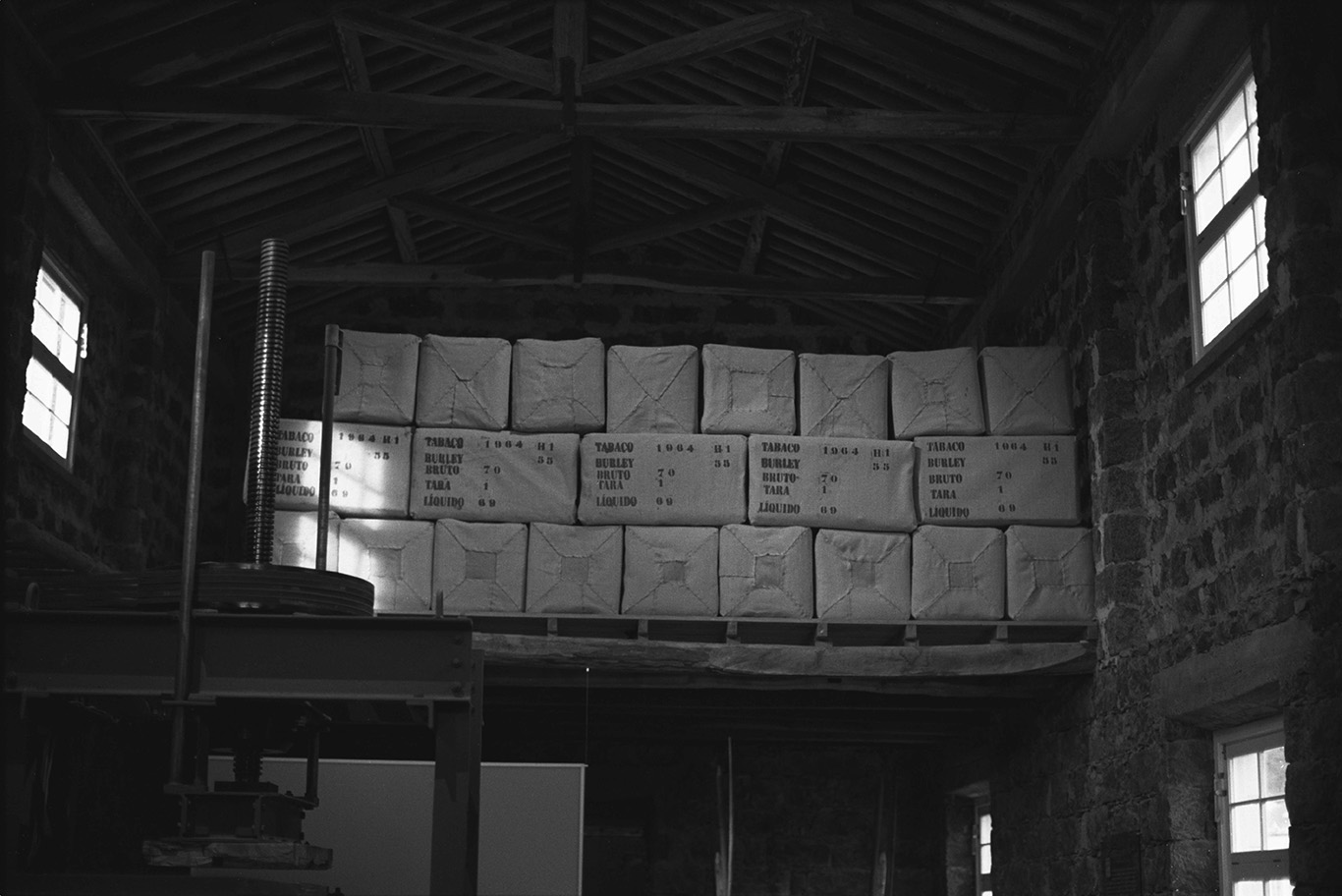
Simultaneously, with on-site audio, the machines and equipment seem to “come to life,” becoming protagonists in the action that unfolds as we move through this part of the exhibition.
Francisco Leal’s contribution in sound recording and design was crucial in shaping and implementing the audiovisual component, making it possible to create a suggestive and immersive atmosphere that evokes the presence of those who once worked there.
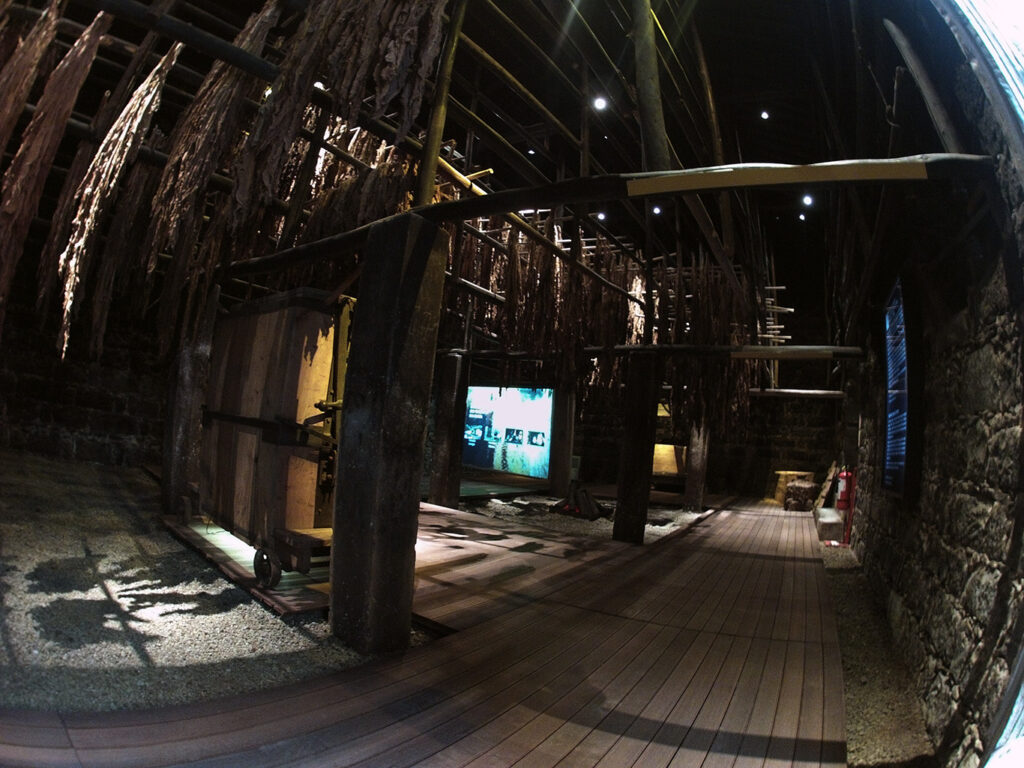

The audiovisual component was conceived and implemented in close collaboration with António Viana, responsible for the artistic design and museographic execution of the entire project. Yet another remarkable and outstanding contribution from him, as we have come to expect. It was he who introduced me to the world of audiovisual work in exhibitions, and since then, I’ve had the privilege of continuing to learn from him.

Underlying this intervention is a deep concern for preserving the integrity of the space as a former factory, which ultimately led to the creation of the Tobacco Museum of Maia. This effort also benefited from another outstanding contribution: the lighting design, handled by Engineer Victor Vajão.


The films for the agricultural phase featured several actors who re-enacted the paths and tasks once carried out by the factory’s former workers.

THE INDUSTRIAL AREA
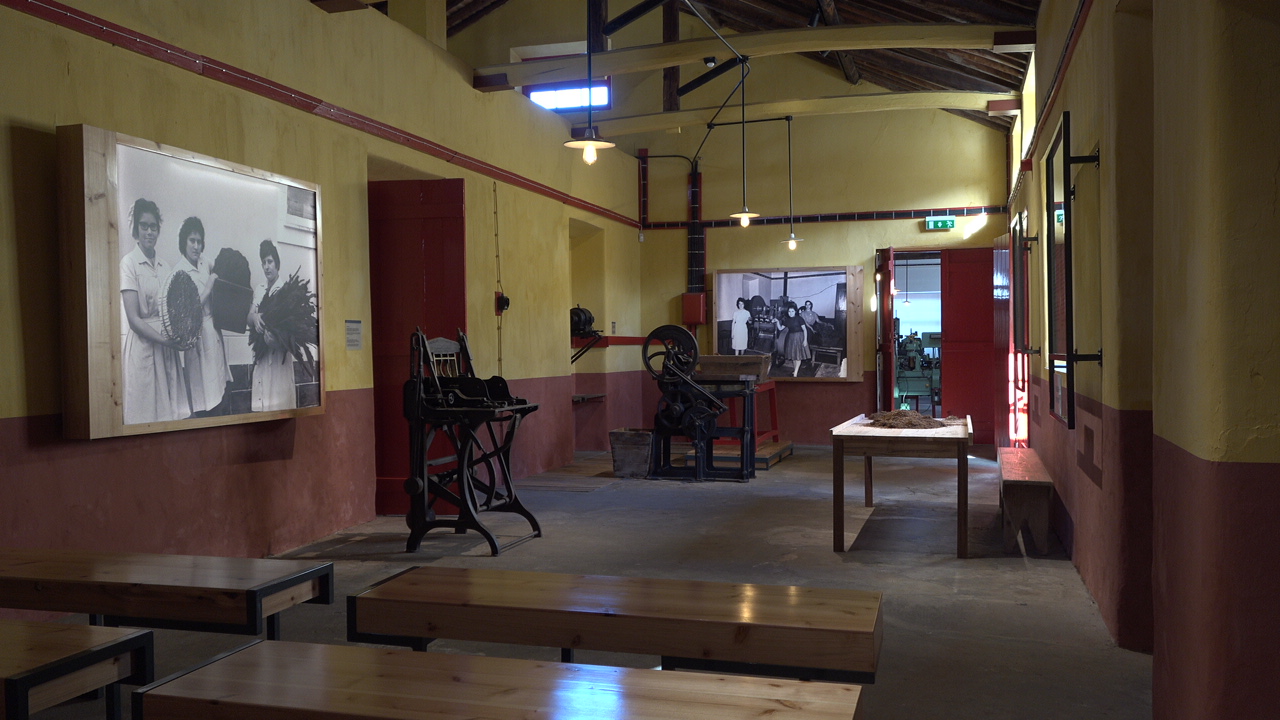
The audiovisual component of this second phase consisted of producing a video that captures the memory of the Maia Tobacco Factory in the first person, through the testimony of one of its most prominent figures: João Bulhões.

João shares with us the life and work inside the factory he knows better than anyone: its key figures, the tasks that took place there, and how and when they were organized. He recalls not only what happened in the various spaces but also what he considers essential to a full understanding of the place: the “spirit” of the old factory.

In addition to João Bulhões, the video also features contributions from Maria do Espírito Santo and Maria de Fátima Pimentel.