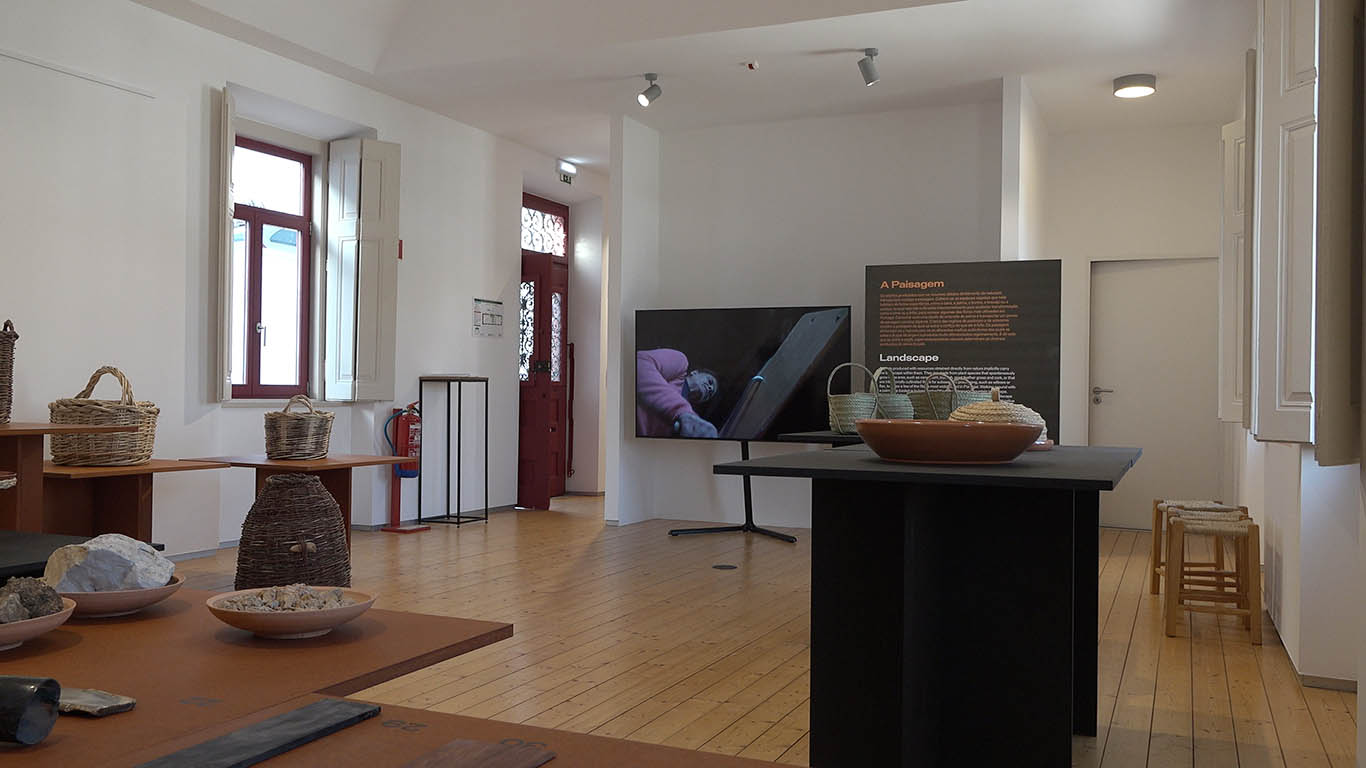
The Direção Geral das Artes promoted the exhibition Portuguese Artisanal Production – The Relevance of Ancestral Know-How Today, which represented Portugal at the 4th edition of the Biennale De Mains de Maîtres, held in Luxembourg in November 2023. The curators were Álbio Nascimento and Kathi Stertzig from The Home Project Design Studio.
As part of the exhibition’s touring program the following year, it was shown in Odemira in June 2024.
My contribution consisted of two films created at different moments:
HERE, THE VOICE IS THE GESTURE
THE VIOLA CAMPANIÇA
HERE, THE VOICE IS THE GESTURE
This video was created for the “Landscape” section of the exhibition.
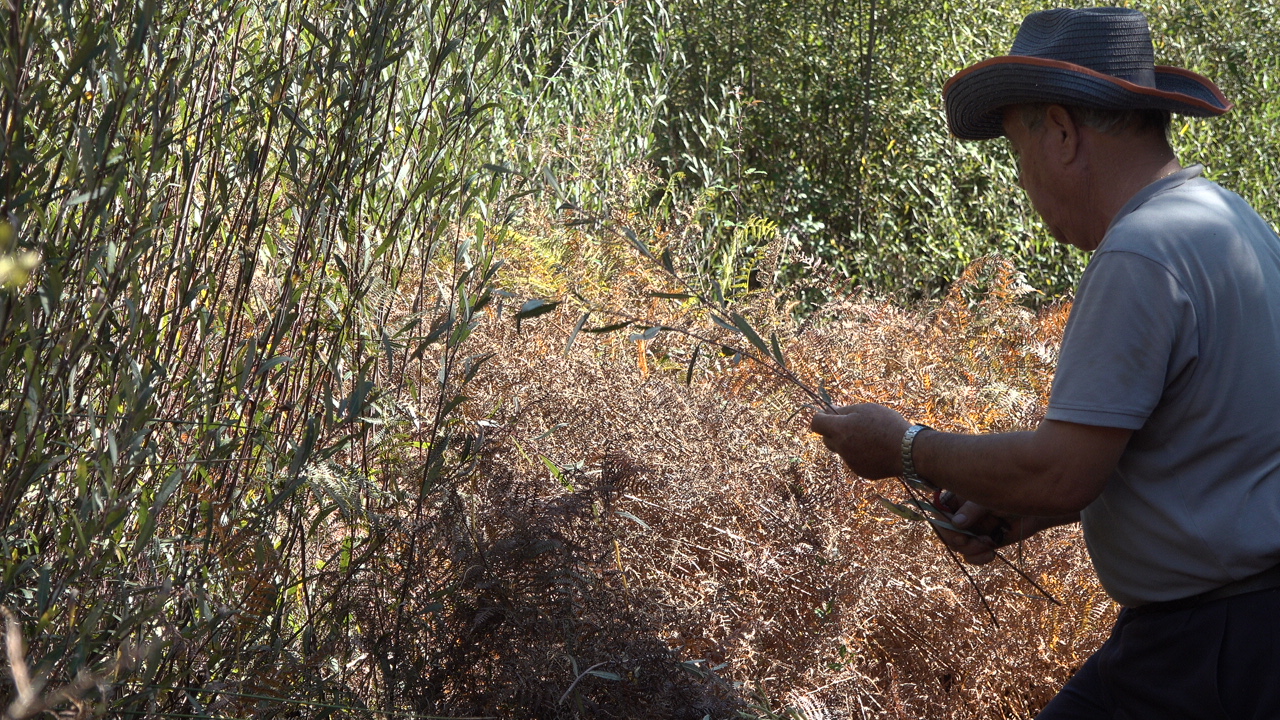
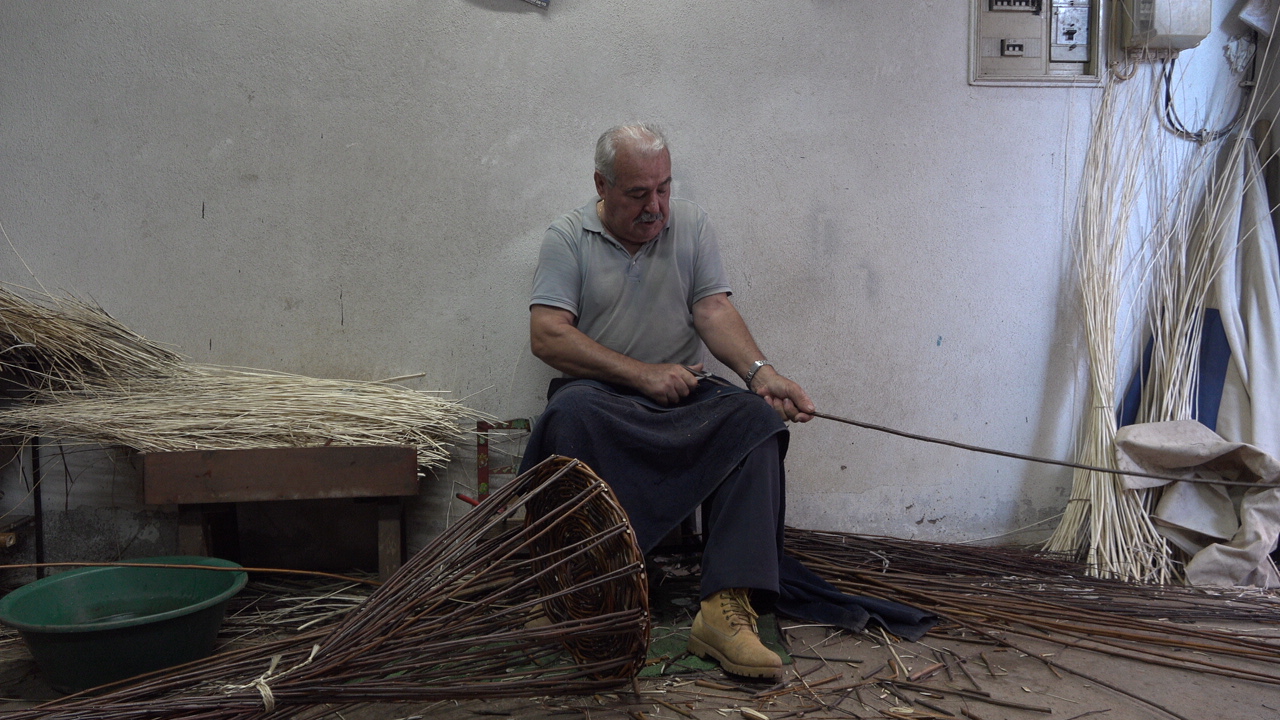
For half a century, basket maker José Amendoeira has been harvesting willow to make his baskets. Back then, the only way to reach Ribeira da Azilheira was via dirt roads, in this place near the border between the Alentejo and the Algarve. Today, the highway viaduct toward Almodôvar and the South crosses overhead, a hundred meters above, barely touching the landscape. Yet, to reach it, one still has to wind through the endless bends and switchbacks that connect the Algarve’s uplands and limestone hills to the Alentejo plains.
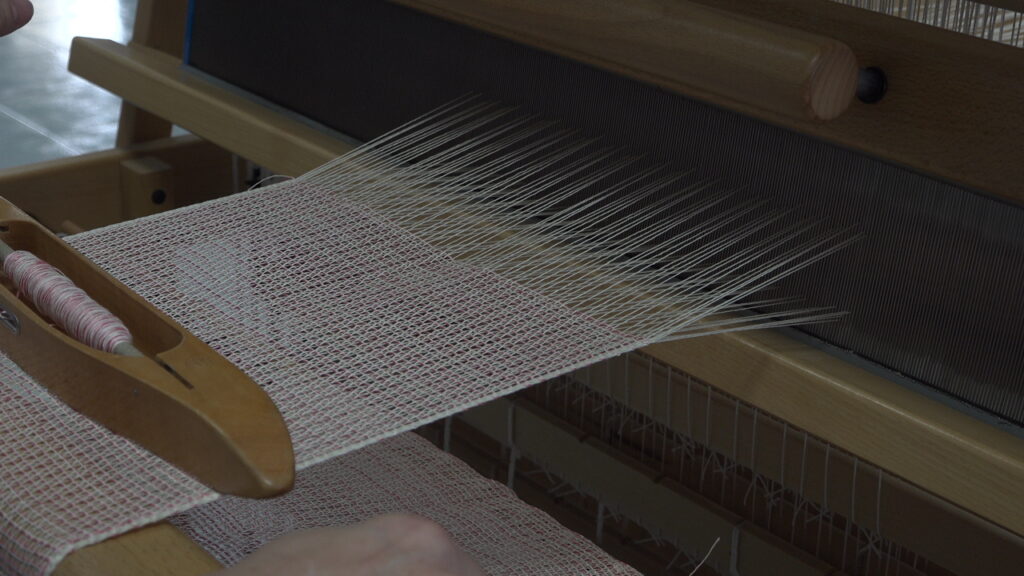
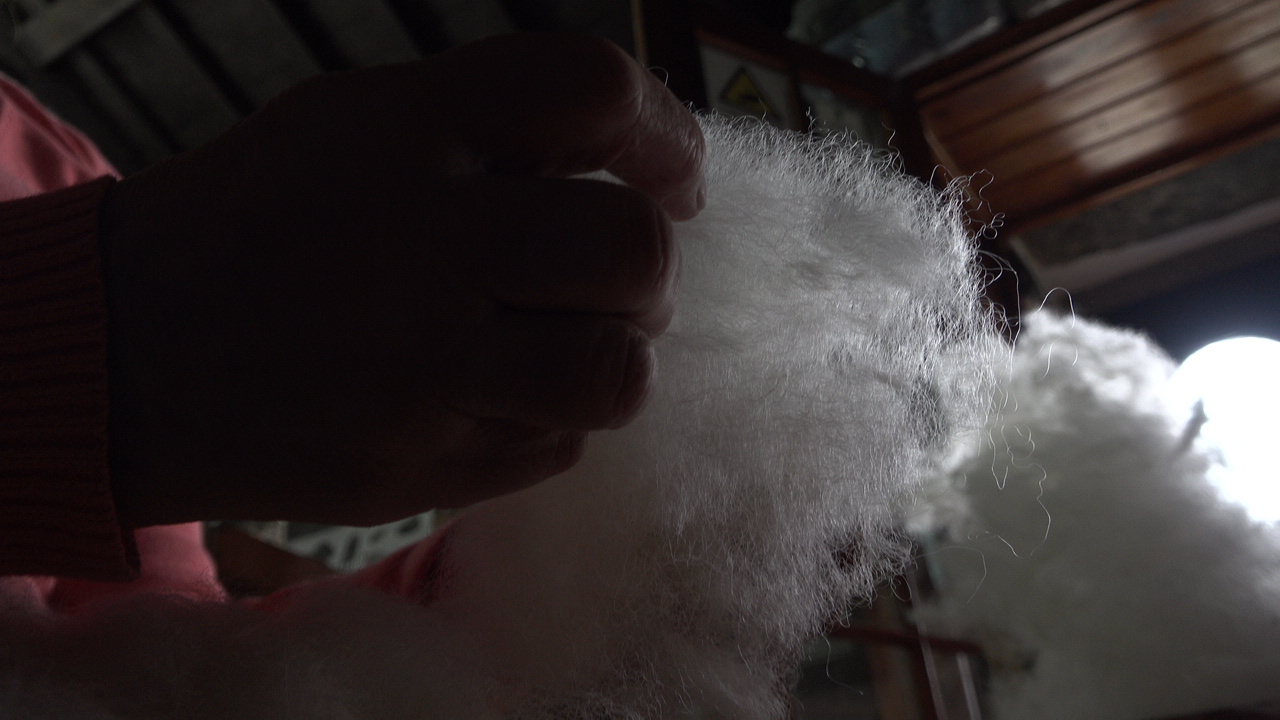
Filming began in an insular setting, in Lombinha da Maia, on São Miguel Island in the Azores, where we observed the carding, spinning, and weaving of sheep’s wool. We then moved on to the city of Castelo Branco, where the silk-making process—from cocoon to loom—was documented.

Heading south, in the Algarve and Alentejo regions, we encountered a variety of practices: the shaping of clay and its use in ceramics; the harvesting and use of cane, palm, and willow by different artisans to make baskets.
In some way, the landscapes that form the backdrop of these places condense memories, revealing traces of successive transformations inscribed upon them. They reflect a unique cultural and intangible heritage that is part of the identity of these places and of those who have lived or still live there. They evoke past events, memories, knowledge, and practices passed down through generations—or, at times, discontinued by those who once crossed paths there, settled, or eventually moved away.


Image and sound bring us closer to the various protagonists, as if challenging them to share their know-how. They draw us to their side, inviting us to step into the place and perspective of the maker. Each person’s voice, here, is their gesture. At every moment, their sensibility is revealed in repetition—in the firm precision of the finishing touches through which they shape and give strength to each piece.
I return to José Amendoeira. Like nearly all those portrayed in this film, he belongs to a generation of artisans who are involved in the entire process of creating their pieces—from gathering the raw materials to producing the final object. This is how we see and represent them here. It is likely that, over time, fewer and fewer will harvest the materials used in their craft, opting instead to acquire them ready-made.
Faced with the challenges confronting these artisans today, the present moment likely highlights the profound changes and transformations regarding the continuity and reproduction of these localized practices, as we have known them. This film serves as a record for future memory and critical reflection.”
Jorge Murteira / February 2024
In “Here, the Voice is the Gesture” National Program Saber Fazer (pp. 255/257).
THE VIOLA CAMPANIÇA
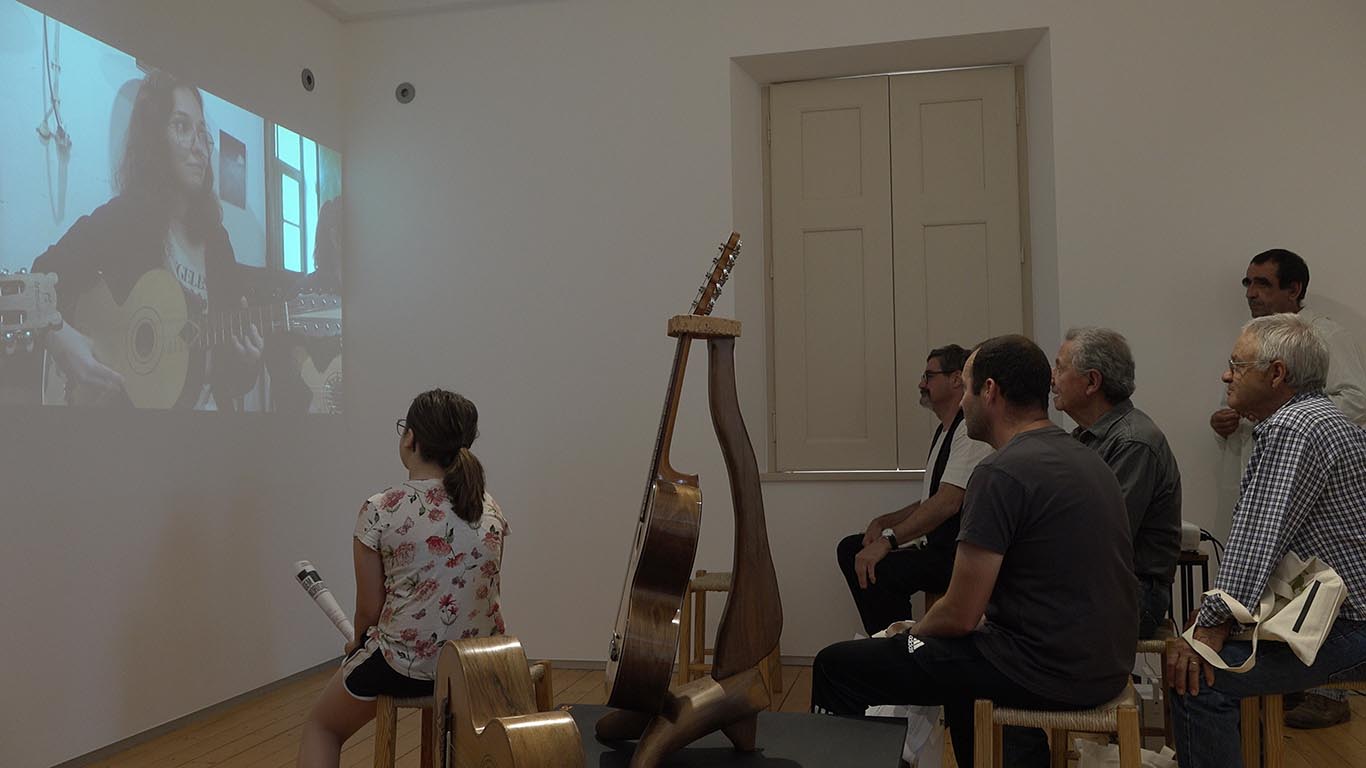
At the end of the first semester of 2024, the exhibition continued its tour in Odemira, where I created another film: “The Viola Campaniça.”
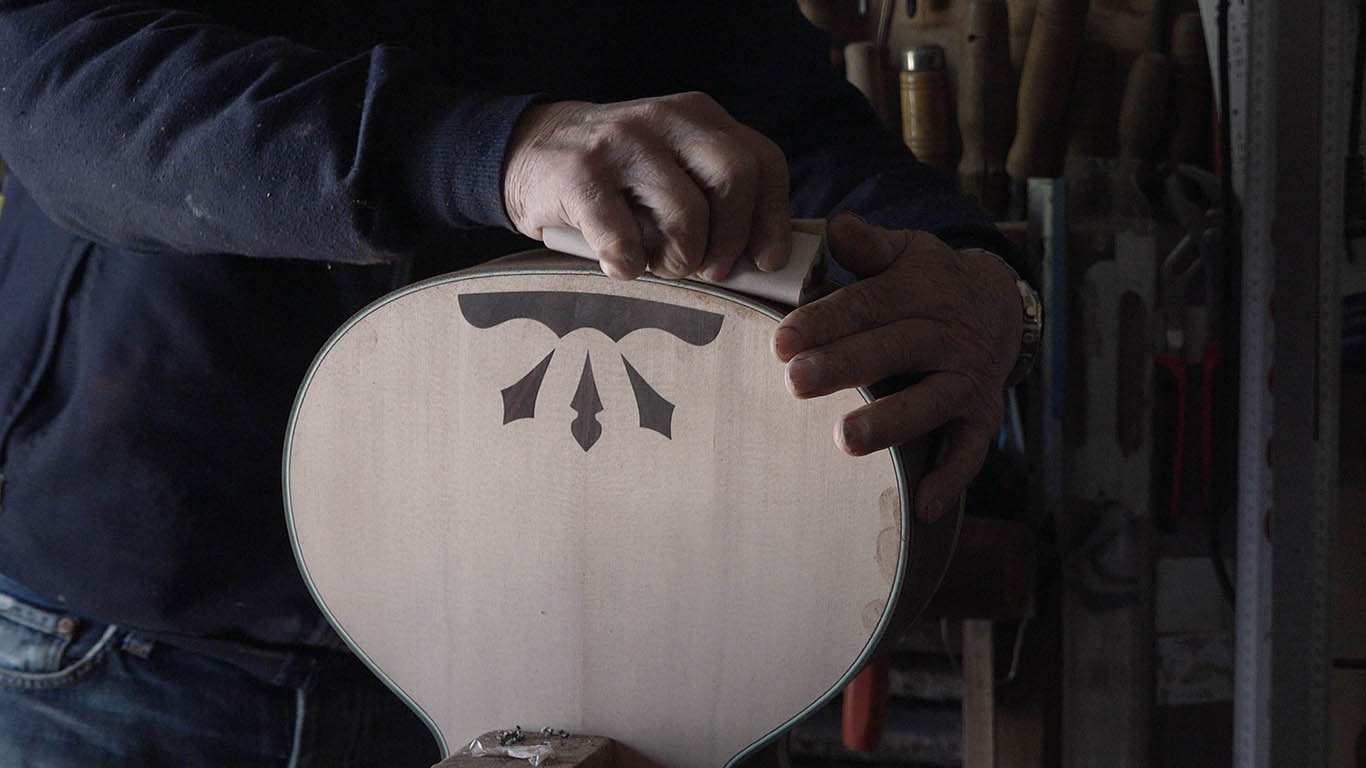
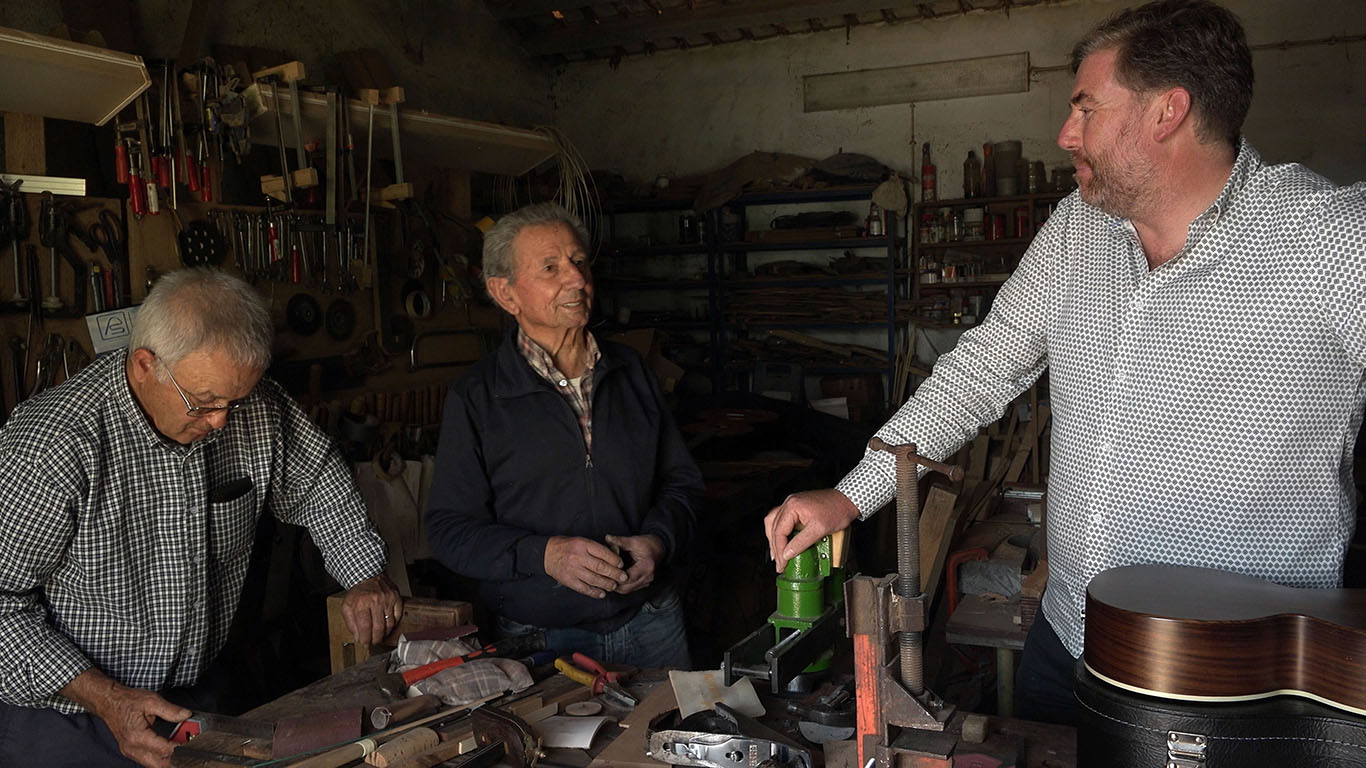
The challenge now was to document aspects related to the creation and construction of this Viola, as well as the transmission of the knowledge associated with it, based on the perspectives shared by two key figures who are both experts and promoters of the instrument: Daniel Luz and Pedro Mestre.
“Today, I can die in peace because I know the campaniça won’t disappear.
(…) This is far from being lost; they would have to forbid people from playing it!”
Daniel Luz, 2024
Because if we don’t insist on saying that the instrument has a foundation, it has an origin, its evolution is much faster, isn’t it?
It has to happen, because no one can stop it—not me, not anyone!
Pedro Mestre, 2024
Once filming began, the first recorded conversations clearly demonstrated the vitality and interest surrounding the viola campaniça. This is true not only in relation to its construction and the workshop programs for builders but also in the learning process of the instrument’s players.
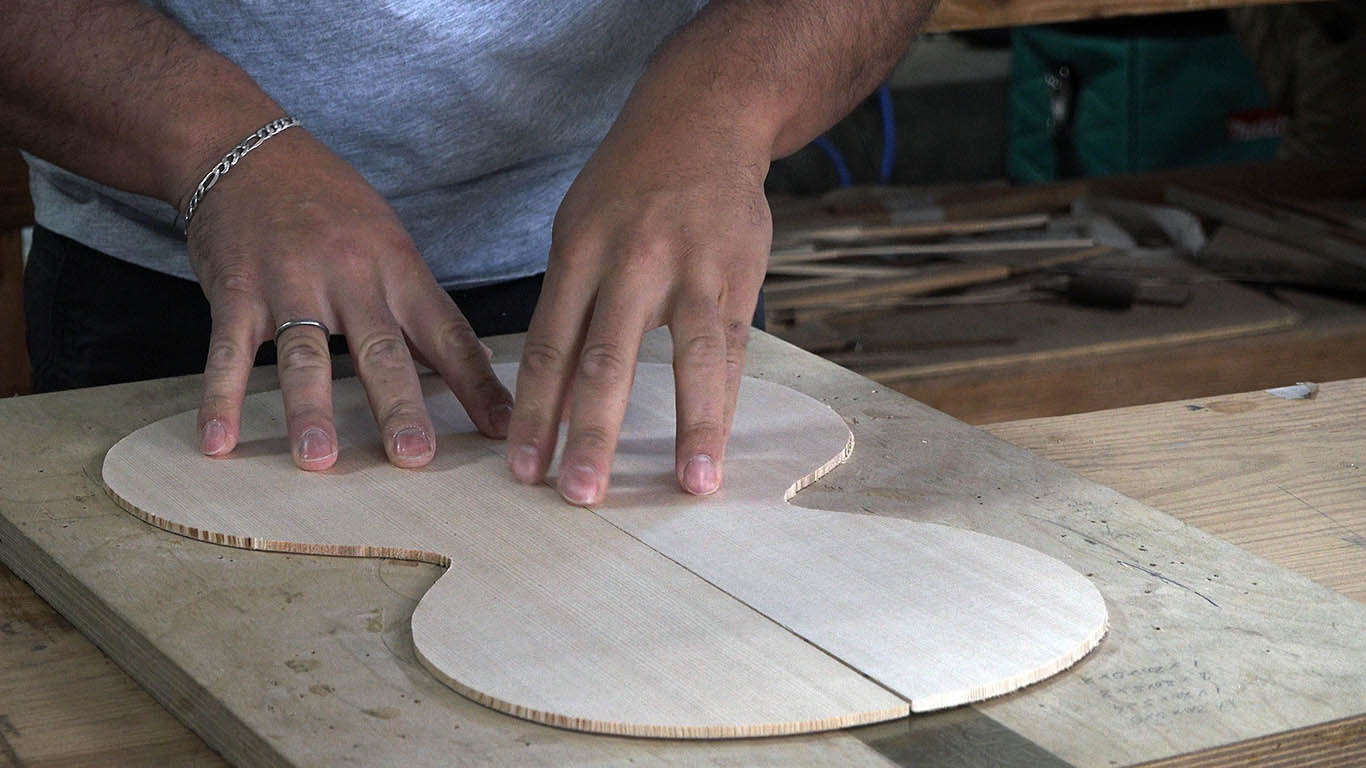
For those who seek not only to film what is happening but to contemplate the possibility of openly documenting what may happen, the challenge became even more stimulating. The initial planning of the work immediately opened up a range of possibilities for the involvement of other “actors” who are committed to the viola campaniça, with the new generations playing a crucial role in its continuity.
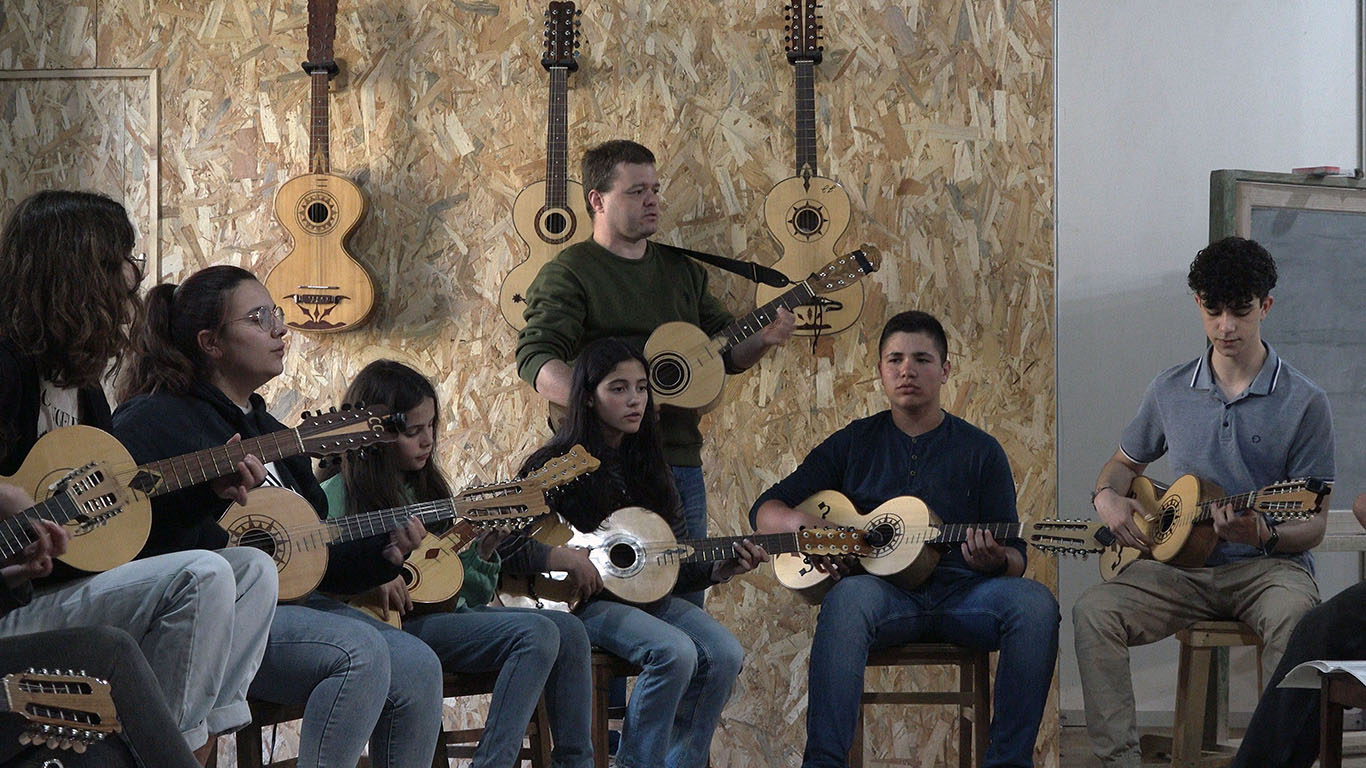
Today, there are several faces in this process: besides those already mentioned, Daniel Luz and Pedro Mestre, special mention should be made of master Joaquim Loução, musician and teacher Carlos Loução, Manuel Vilela, among others, as well as the boys and girls, both young and adult, who diligently learn to play in the available classes for anyone interested; they are also those who aspire to build the instrument and attend the workshops where the masters share their knowledge and skills.
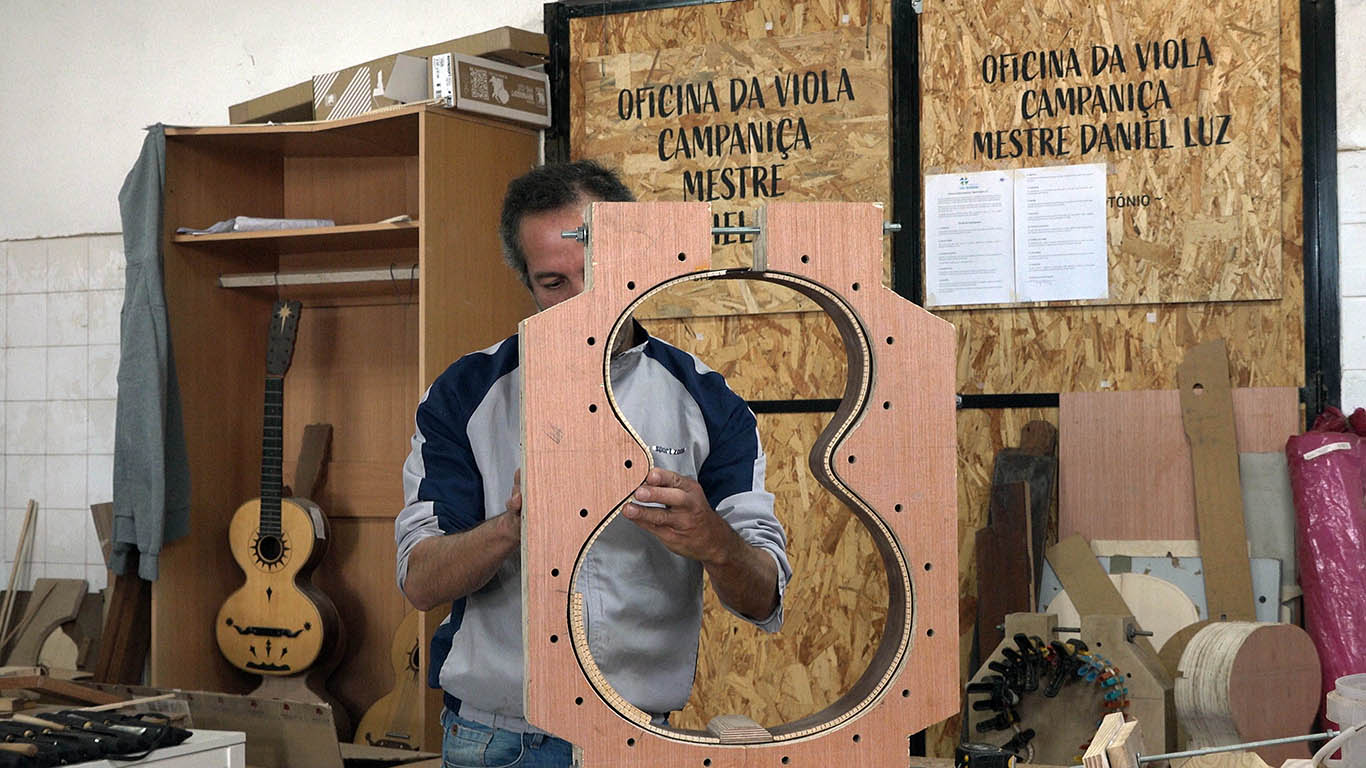
In both cases, the transmission of knowledge has ensured that different generations today play an active and decisive role in the continuity of the viola campaniça. This process has created dynamics of supply and demand for the instrument, respectively from the players and the builders.
For this to have happened and continue to happen, it is also important to highlight the contribution of various entities in creating the conditions essential for the success of what has been achieved: I specifically refer to the Municipality of Odemira and the Parish Councils of São Teotónio and São Martinho das Amoreiras.
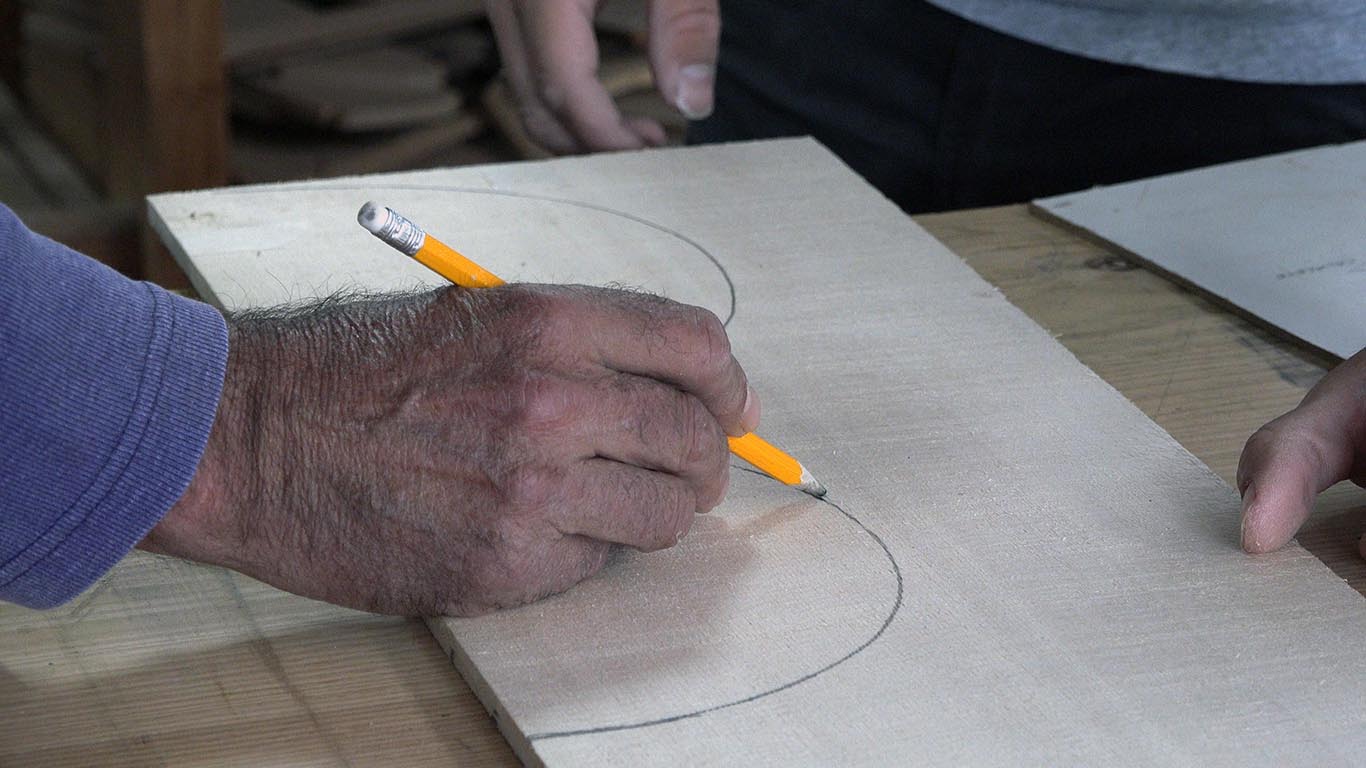
In an informal conversation with some of the protagonists involved, which I had the opportunity to record in master Daniel Luz’s workshop, Pedro Mestre shared with us “a process that has been reborn,” later specifying what he considers to have been fundamental and has been continuously and dedicatedly deepened over the last two decades:
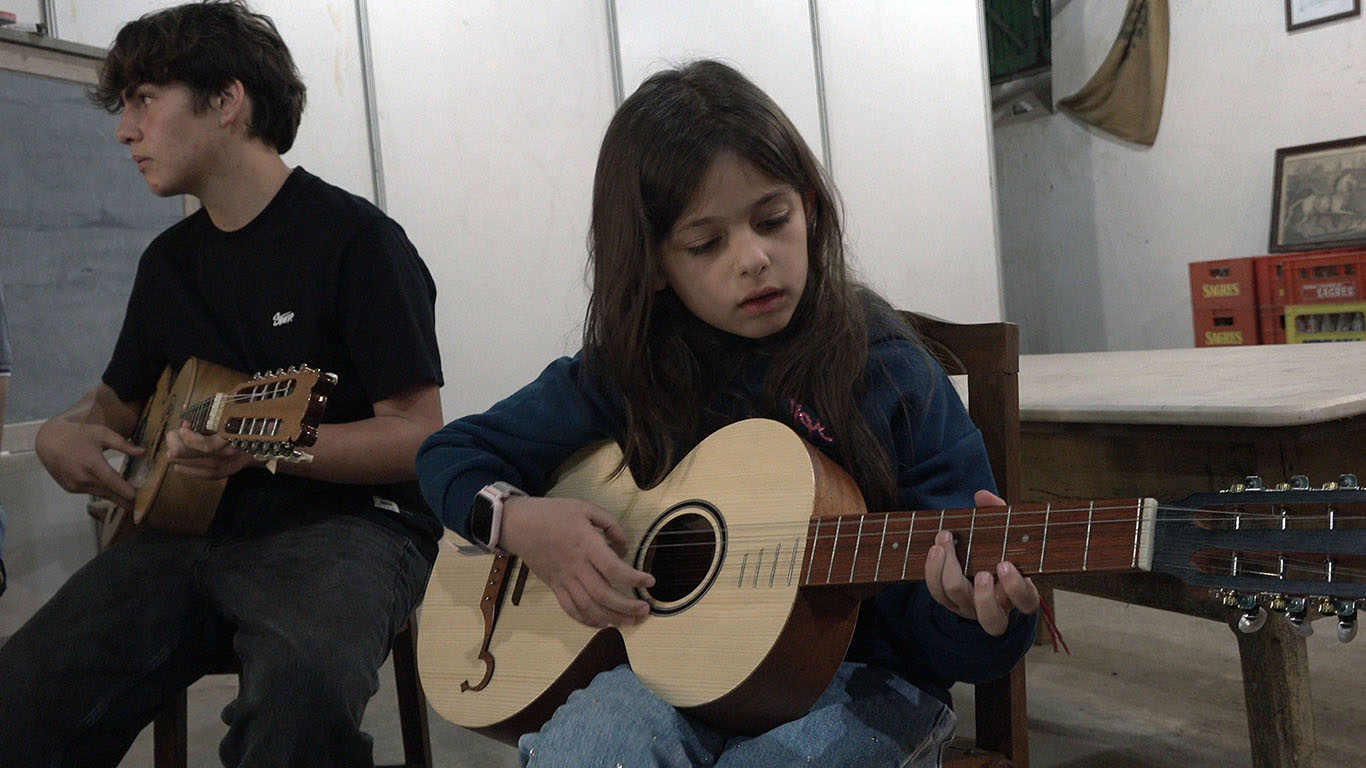
“What we aimed for has been achieved little by little, which was, through the kids, to bring the viola so they could learn to play and go to school; and now parents follow their children and grandparents, to build and play and everything else. And the truth is, the viola is alive, and it is in good health.”
As often happens, in the case of the viola campaniça, the path taken did not end in a process of intentions; in what we “would have liked it to be.” It is especially important here to highlight and value what it is. Everything, in essence, that has been achieved in terms of the transmission and appropriation of knowledge, as demonstrated by the involvement and enthusiasm of those who, together, unquestionably ensure its continuity.
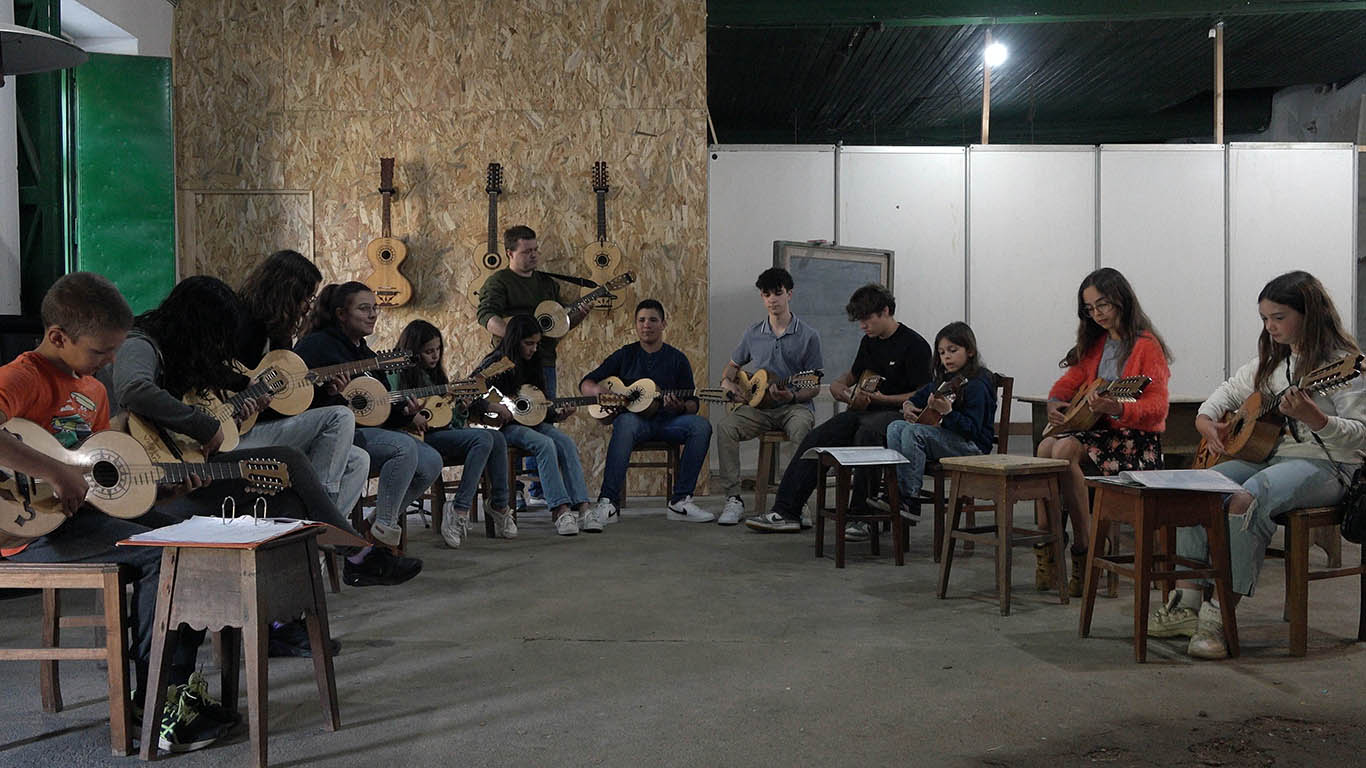
It is, without a shadow of a doubt, a remarkable example of valuing difference, worthy of being recorded and worth knowing.”
Jorge Murteira
14 July 2024