
A few kilometres from Marvão, in Prado, José da Paz and his wife, Senhorinha, were my neighbours for several years. They lived in a nearby village, Escusa, and came every day to the house right next to the one where I lived.
When I got up and stepped outside, they were already there. And it really was nice to greet them as soon as we saw each other:
– Good morning, neighbor! How’s the missus?


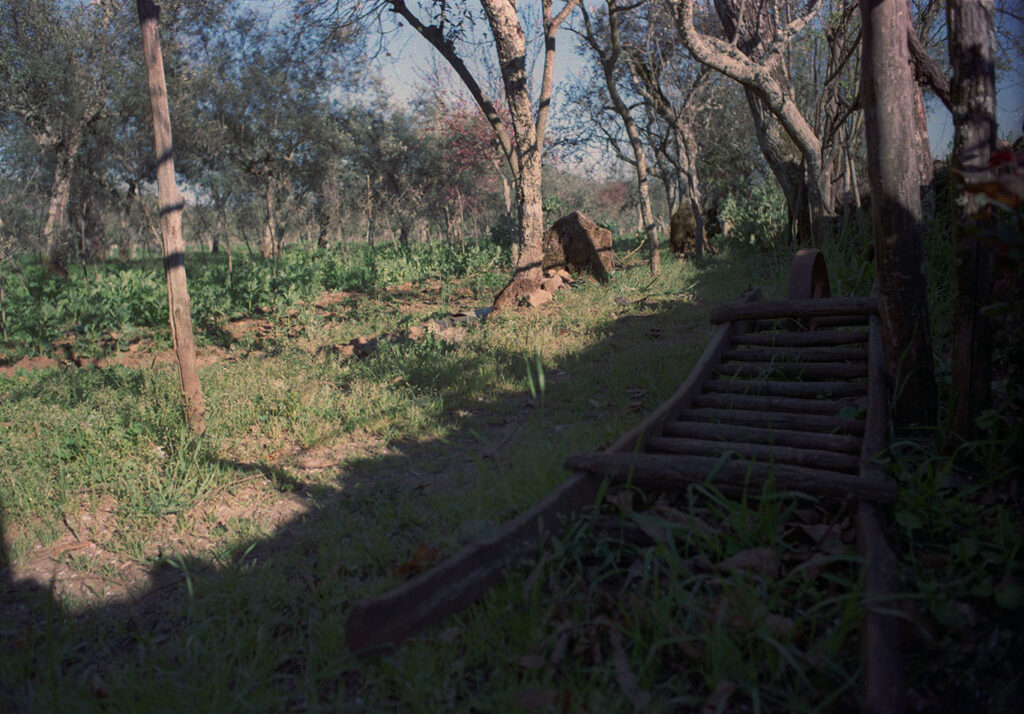
They tended a beautiful orchard on a plot of land nestled between two slopes of the Serra de São Mamede. They kept animals and cultivated the land for as long as their bodies allowed. But they sowed little now. They did what they could.

José da Paz loved trees—especially the “little olive trees.” Well into his eighties, one could still see him perched on a ladder, pruning hedges and trees, some of them already centuries old.
In this short video, besides talking about the trees, he tells me about an adventure with a “big dog” during his time in the army. It turned out it was actually a wolf. He admits he got nervous. It didn’t harm him, but it did threaten some cows, which defended themselves as best they could.
And he adds:
– It seems the body somehow senses those creatures…
That very same night, the wolf in question killed a donkey.
We had wonderful conversations, and I learned a great deal from him. He was a wise man!

He spoke of animals with the same tenderness. One day, he shared a secret with me: we had other neighbours living very close by. These tenants paid no rent and made their home inside the trunk of a massive chestnut tree. For a long time he had heard them at night, but had thought they came from elsewhere.

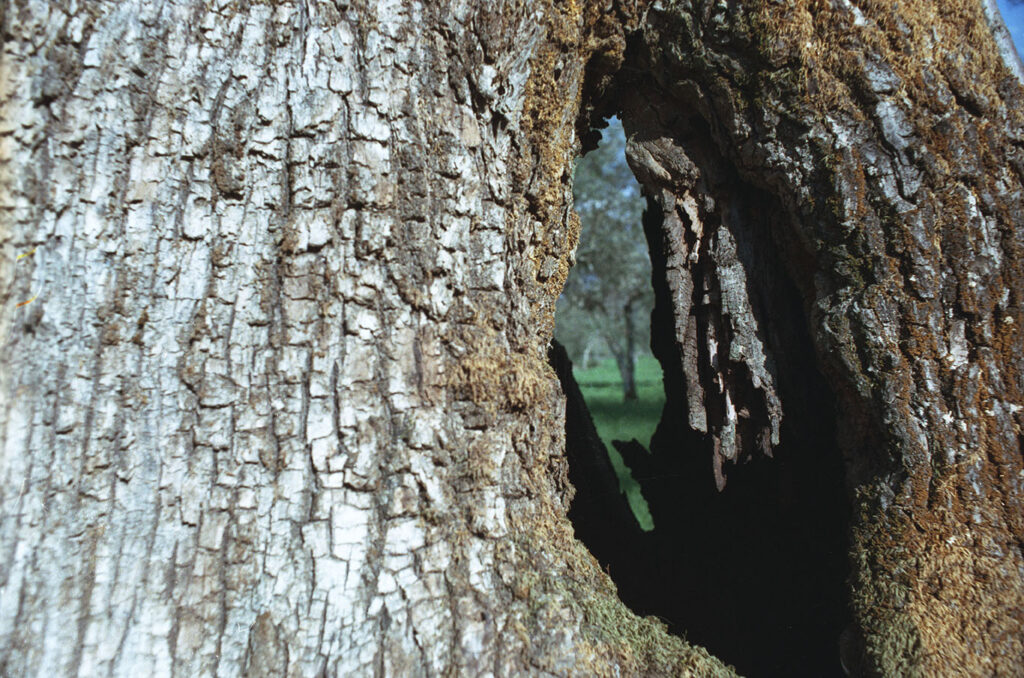




They were a pair of little owls. He taught me that, once they mated, they stayed together for life. I would tease him:
— That’s because they don’t see very well, isn’t it, neighbour?
And he laughed. Only later did I realise the foolishness of what I had said, for it was very likely that he and his wife had also been together all their lives. And it was impossible to imagine that they could live without one another.
Sadly, that is precisely what came to pass a few years later.
After leaving the Alto Alentejo, I returned to revisit old times, and it was then that I learned he had been widowed. I was told he was in a nursing home in Marvão. I went there that very same day.


When I found him, he recognised me immediately. Moved, he lost for a few moments both his voice and the serene tone with which we had always spoken.
And he kept repeating to the nursing home staff and to some of his friends he met along the way:
– My neighbour! He hasn’t forgotten me!

How could I? To this day, and forever.
Mr. José da Paz is fondly missed. He will always be remembered as “my neighbour”.
Of them all, the one who left the deepest mark on me.