
ON THE ROUTE OF THE OLD WHALERS
It is in the United States that a large part of the diaspora from the islands of Fogo and Brava is found, unlike the rest of the Cape Verde archipelago, whose main migratory destination is Europe. This is due to the whaling migration that took generations from these two islands in search of a better life to the American East Coast, especially the New Bedford area, where today there is a significant Cape Verdean community and their descendants.
It was the whaling triangle that was then drawn between the island of Brava, just a few miles from Fogo in Cape Verde, the island of Pico in the Azores, and, across the Ocean on the New Continent, Boston.
Brava, Fogo, and Pico all share one feature: the sea reaches great depths right next to their coasts. This allows whales to come closer to shore during their deep dives in search of food along migratory routes.


In the case of the latter two islands, the visible and imposing presence of volcanoes that literally punctured the Ocean—and, still unsatisfied, seem to pierce the sky—helps us better understand the underwater slope along which whales continue to travel.
From these places where whaling ships used to dock and cross paths, islanders managed to escape the droughts and famines that cyclically decimated the populations of the archipelago. Hitching a ride on the sperm whales, they found a new world of opportunities—and Cape Verdeans have remained there ever since.
In the second half of the 19th century, the whaling adventure was portrayed by Herman Melville. Moby Dick also features a character originating from the West African coast. A man of few words, he stood out for his courage and bravery in facing the Leviathan head-on. Fearless and daring in the art of hurling the harpoon from the bow to strike the whale’s back, he never hesitated—delivering the fatal blow at the right moment without mercy.
The ship from America no longer comes for whaling. But its arrival on the island of the volcano remains a significant event, as will soon become evident.
ARRIVING AND ANCHORING WHERE THERE IS NO PIER
On the 1994 journey, which began in Lisbon heading to Viana do Castelo and which I mentioned in post II – Aboard the Elsie, after arriving in Cape Verde and leaving Sal Island, we headed to São Vicente.
The capital, Mindelo, boasts a vast natural harbor and a strong maritime tradition that dates back to the steamships of the British, who stopped there on their route between Europe and South America to refuel with coal.
The entire crew of the Elsie was, without exception, from São Vicente. That was typical at the time, as it had been on all the trips I took. Perhaps for that reason, while waiting to depart for Praia, I found at the quay the former First Mate with whom I had made my first maritime adventure in 1987. José Pedro Mariano was now the captain of the ship Jenny, which ran between Cape Verde and the United States. Knowing I wanted to go to Fogo Island, he invited me to join him for the remainder of the journey.
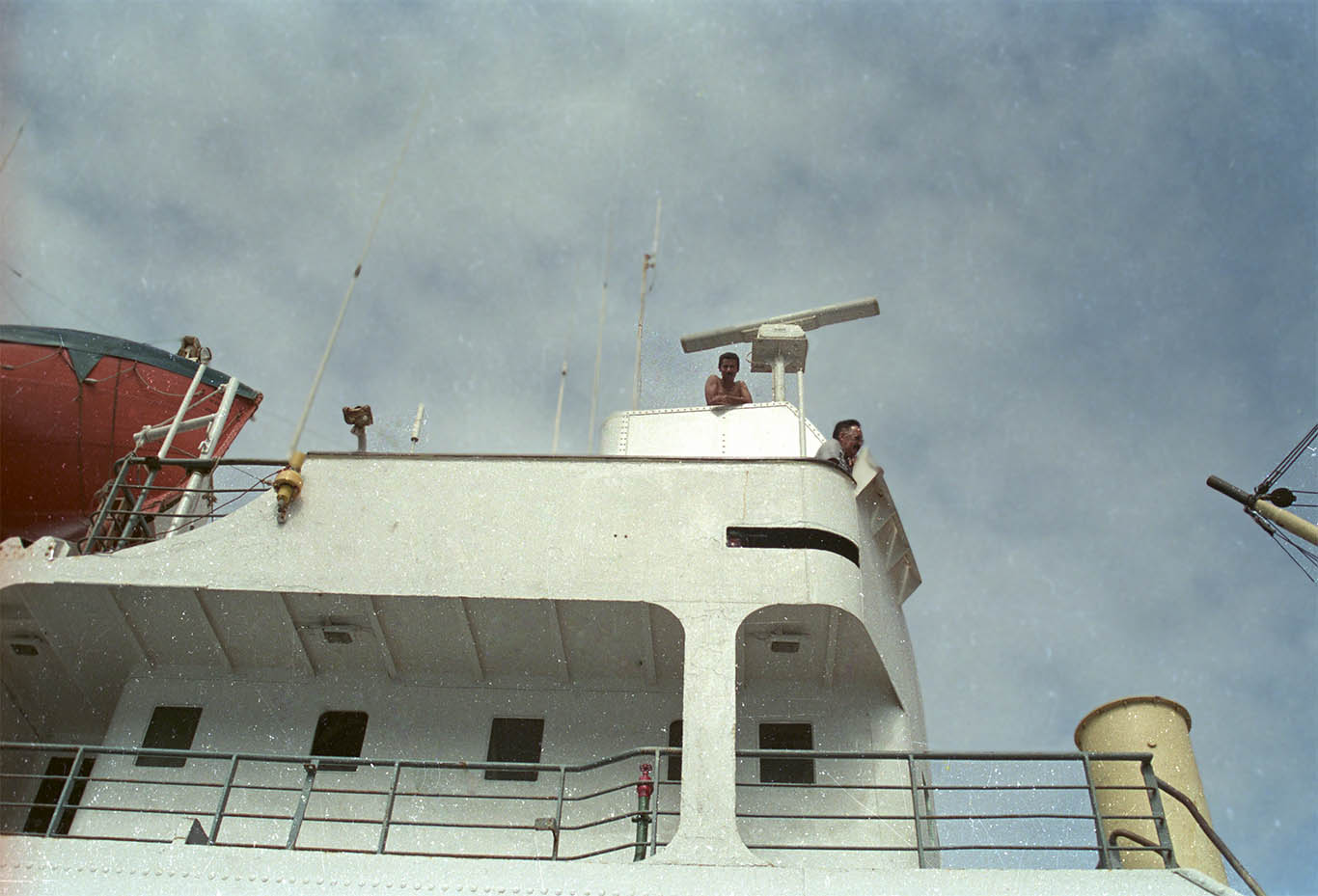
So we agreed that I would make the journey on the Elsie to the planned destination, in Cidade da Praia, on the island of Santiago; then, from there, we would go together to São Filipe, the capital of Fogo Island. And so it was.
We departed late in the day, and the journey took place mostly overnight. Early in the morning, we awoke to land off the starboard side. We followed the island’s coastline in a wide arc, staying close to shore, until we reached the port of Vale de Cavaleiros, our destination.
Fogo is an active volcano that has experienced several eruptions in recent history, especially since 1951—the second-to-last one occurring just a year after this journey.

The cliffs plunge steeply from the main caldera—or what remains of it—down to the sea or to black-sand beaches, which in many cases practically vanish at high tide.
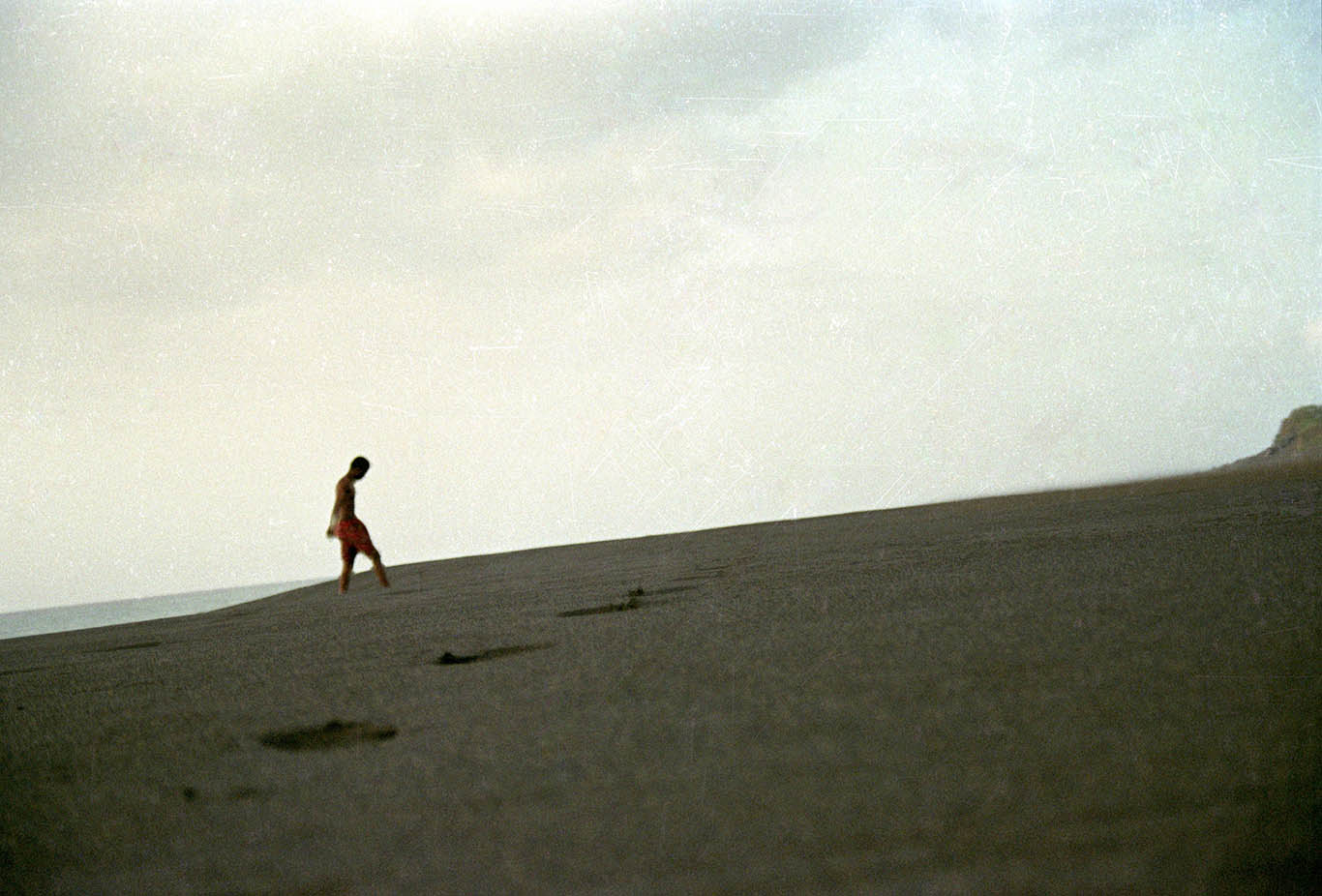
The volcano’s cone, covered by clouds that gather on the north and east slopes, where the prevailing winds blow, rises to almost 3,000 meters. From the summit to the sea is a straight drop of about 5 kilometers—testament to the extreme slope of the eastern flank, where the volcano’s main crater collapsed 73,000 years ago, generating a tsunami with waves over 200 meters high!

It is the raw power of nature! Immense contrasts all around. Shades of light, shadow, and color in full splendor, seen early in the morning. First from the lookout, then from the deck and bridge of the Jenny, until the maneuvering to anchor began.
As we rounded the coast toward the channel west of Fogo, which separates it from Brava, a loud, prolonged horn sounded from the ship and echoed over the sea. Unexpectedly, it resonated against the slopes of the land, only to be heard again on board a few seconds later.

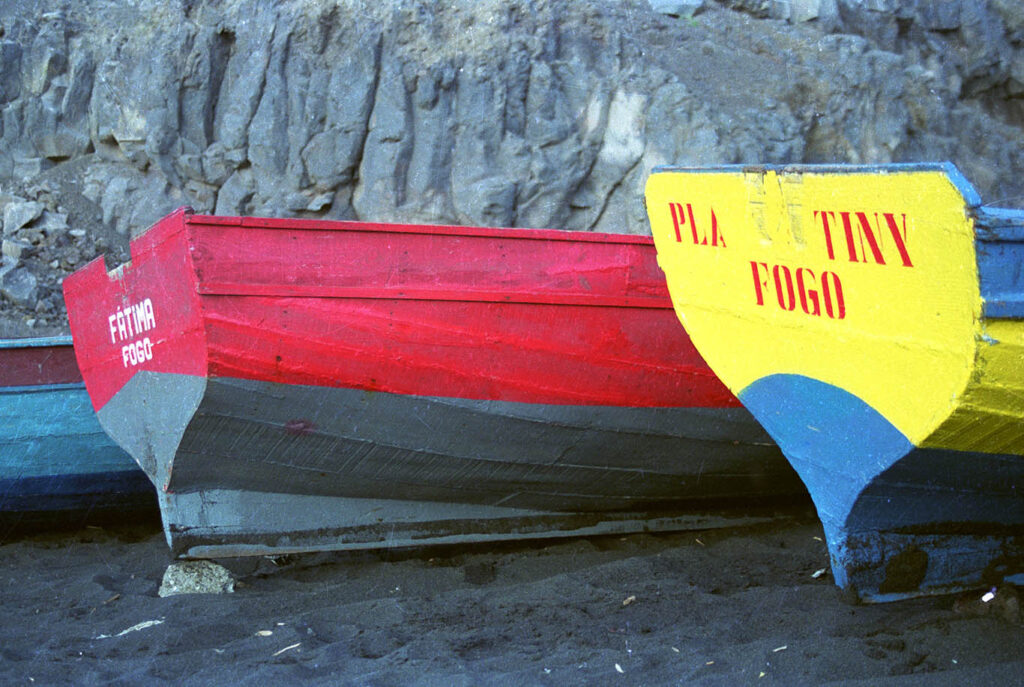
This back-and-forth of the deep, hoarse whistle, which then lingered as it ricocheted off the cliffs, sounded like the islanders’ response to the good news, with that slightly drawn-out accent so characteristic of the region:
– Nhôs tchiga! (“Welcome!”)
The repeated sound of the horn was thus the signal to the population of São Filipe. Everyone knew that the ship from America had arrived, and that the cargo and packages they had asked their friends and relatives in the United States for were about to be unloaded.
If, for example, there had been a supply problem and flour for baking bread had run out, it was now arriving—packed in wooden crates turned into containers for sacks, or in enormous barrels that once held fuel but now served to protect against sea spray and saltwater during unloading. Maybe the flour shortage had already been resolved months earlier. But if anything had gone unexpectedly wrong, here it was—available—demonstrating, in practice, the solidarity between those who left and those who stayed.
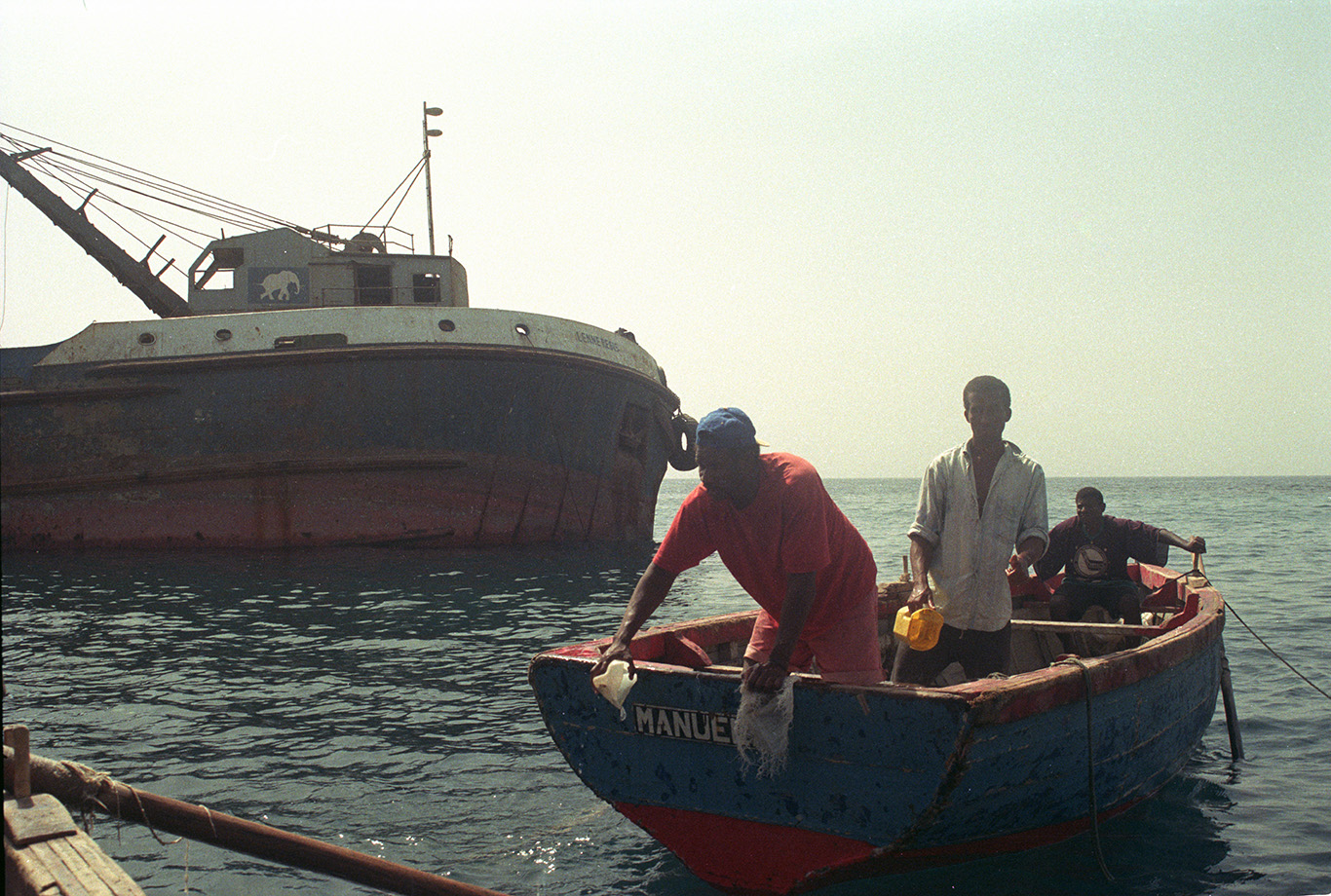
From the road that descends from São Filipe to the port of Vale de Cavaleiros, a flurry of cars began heading to the quay just minutes later. The road, usually quiet, became the busiest on the entire island. A frenzy of trips, going up and down, that continued until a new, strong, prolonged whistle from the Jenny—a few hours later—signaled its departure westward, toward the port of Furna on neighboring Brava Island.

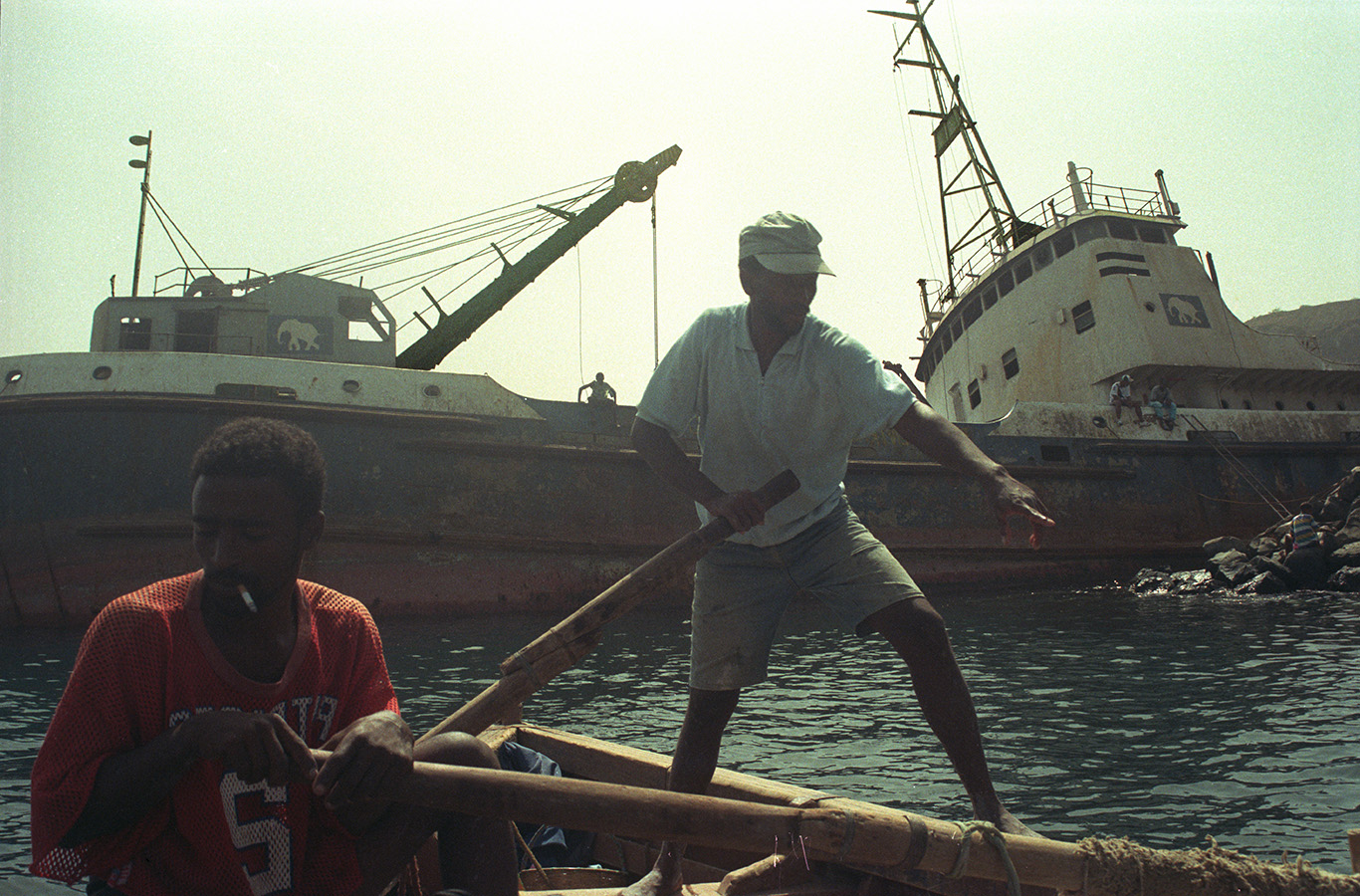
At the time, the port was damaged, and it was not possible to dock at the pier. Due to the broken jetty, another ship would run aground there a few years later. The Jenny therefore anchored offshore, and people and goods were transported in small wooden rafts to the beach.

Even a small open-bed truck was hoisted from the deck onto one of these rafts. The worst part was yet to come: crossing the surf zone close to the beach. Guided by small oars or paddles that seemed to do little more than steer or barely control the weight, the skilled crew managed—through ingenuity and timing—to dodge the largest waves and wait for a calmer, safer moment to land.

It was with a sense of longing that I left the port of Vale de Cavaleiros heading toward São Filipe and later into the volcano’s interior, in Chã das Caldeiras, where we camped for a few days atop pumice stone.
And so ended this unforgettable journey, which had begun a few weeks earlier in Lisbon.