
In 2010 I took part in the Cronograph Festival in Chișinău, Moldova, with the documentary The Boatman’s House.
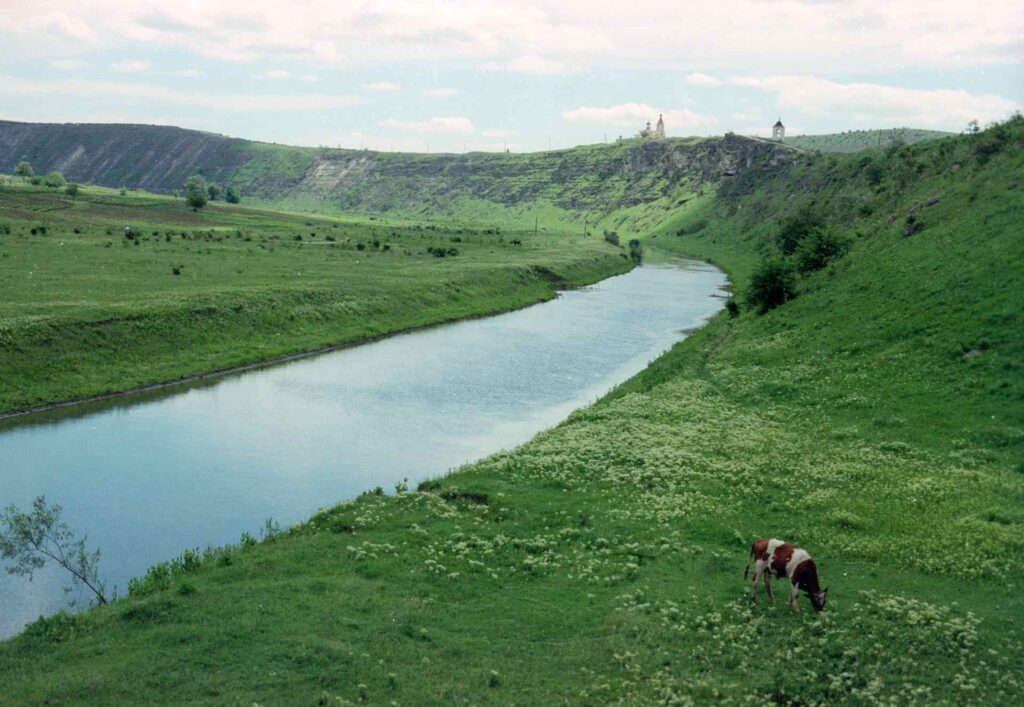
Once the festival had ended, and shortly before returning to Lisbon, I travelled to Orheiul Vechi, an archaeological site near Trebujeni, a small village set in the same valley through which the Răut River winds.
It was a chance journey, decided on the spur of the moment. I simply couldn’t pass up the opportunity.
AMONG GORGES AND A RIVER
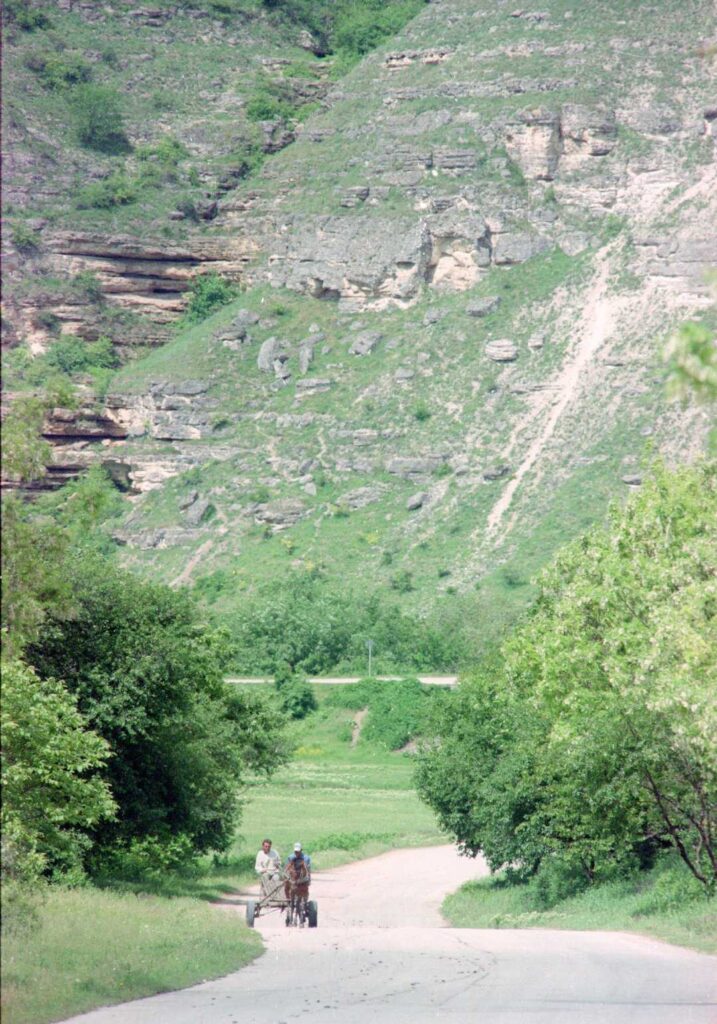
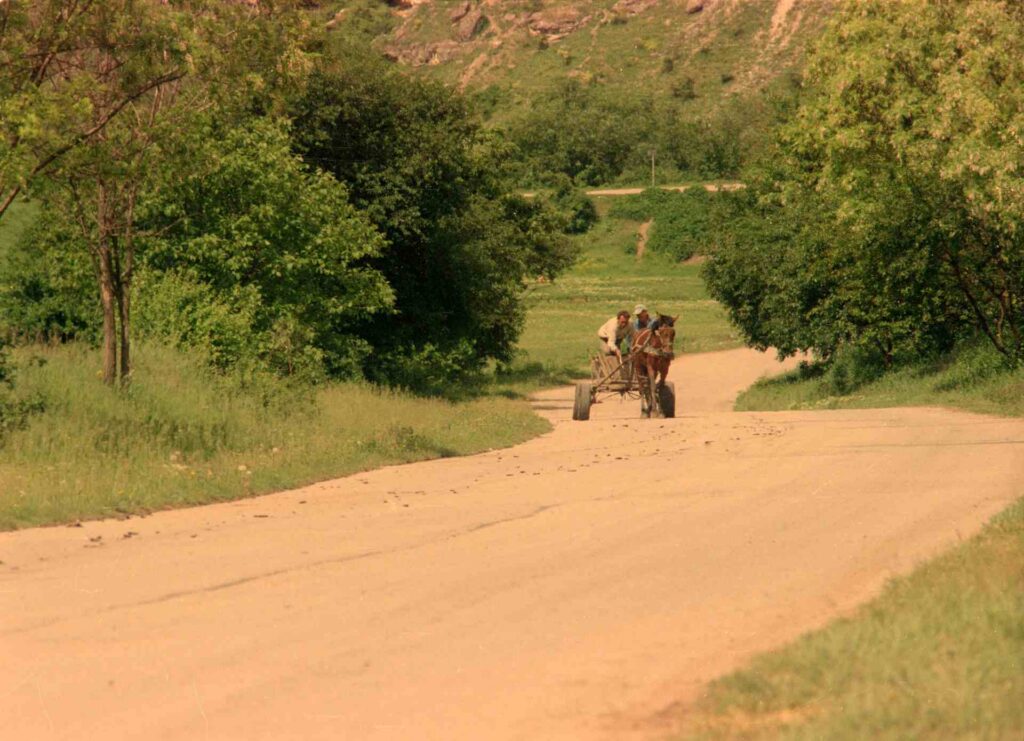
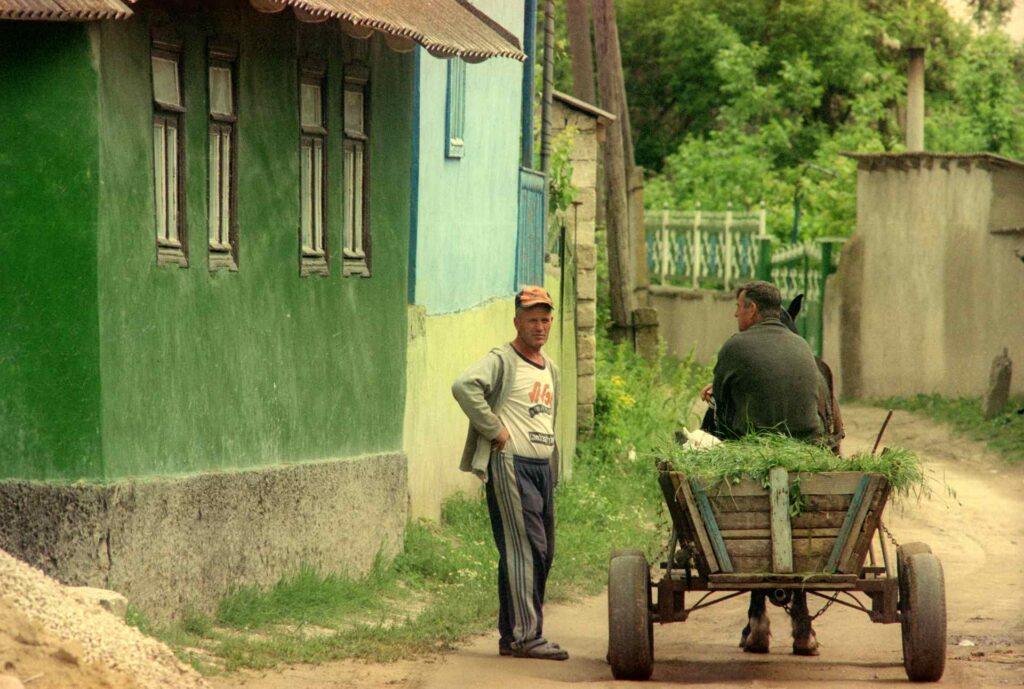
The winding roads that trace the course of a river weaving through the hills are almost devoid of traffic. They are used mainly by farmers, who, at the time, travelled on foot or by horse-drawn cart. Their twists, climbs and descents seem to mirror a recent past that has slowly fallen away. Perhaps they also point towards a new future, still uncertain and waiting to unfold.
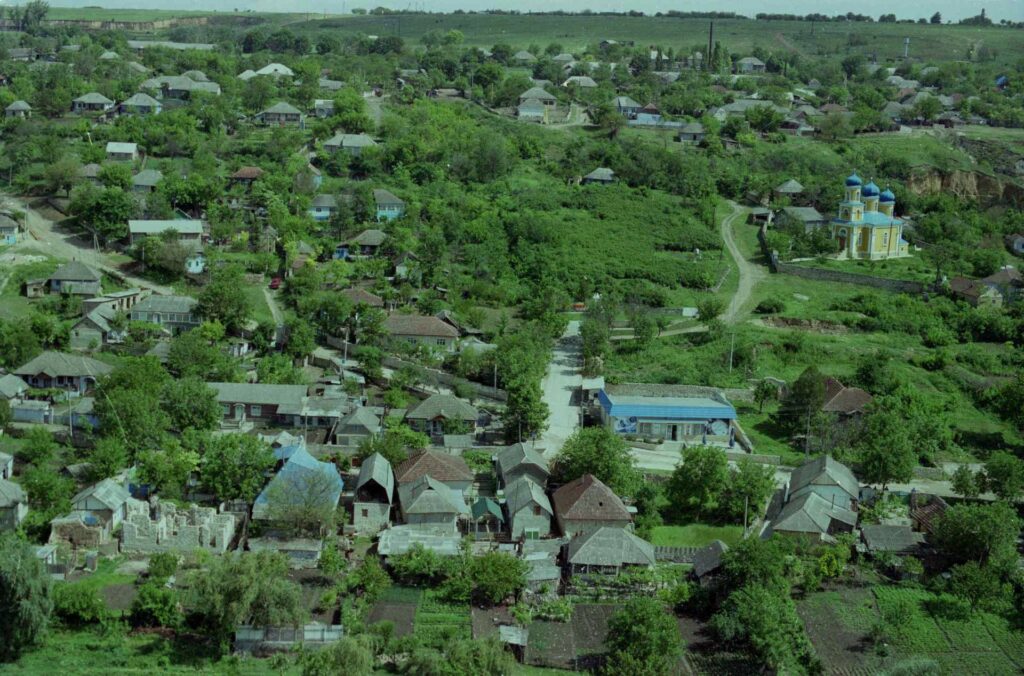
This area forms part of the Orheiul Vechi Cultural and Natural Reserve, which encompasses the villages of Butuceni and Trebujeni, the archaeological site, and the surrounding landscape shaped by the Răut River.


NEIGHBOURS AT ODDS AND UNRESOLVED IMPASSES
The Ukrainian border is just 30 km from here. This region lies in the central-eastern part of the country, less than an hour from the capital and approximately 15 km from the border with the breakaway region of Transnistria.
In 1990, even before the dissolution of the Soviet Union, this territory unilaterally declared its independence from Moldova. Following a number of skirmishes with separatist forces, a Russian-mediated ceasefire was agreed, and it has remained in force ever since.
It was in August 1991 that Moldova declared its independence from the Soviet Union, which had annexed the territory in 1940. During the intervening period, it was known as the Moldavian Soviet Socialist Republic.During that period it was the Moldavian Soviet Socialist Republic. Before that, for a little over two decades, beginning in 1918, much of the present-day territory formed part of Romania.
It remains one of the frozen conflicts of the post-Soviet space.

THOSE WHO STAY
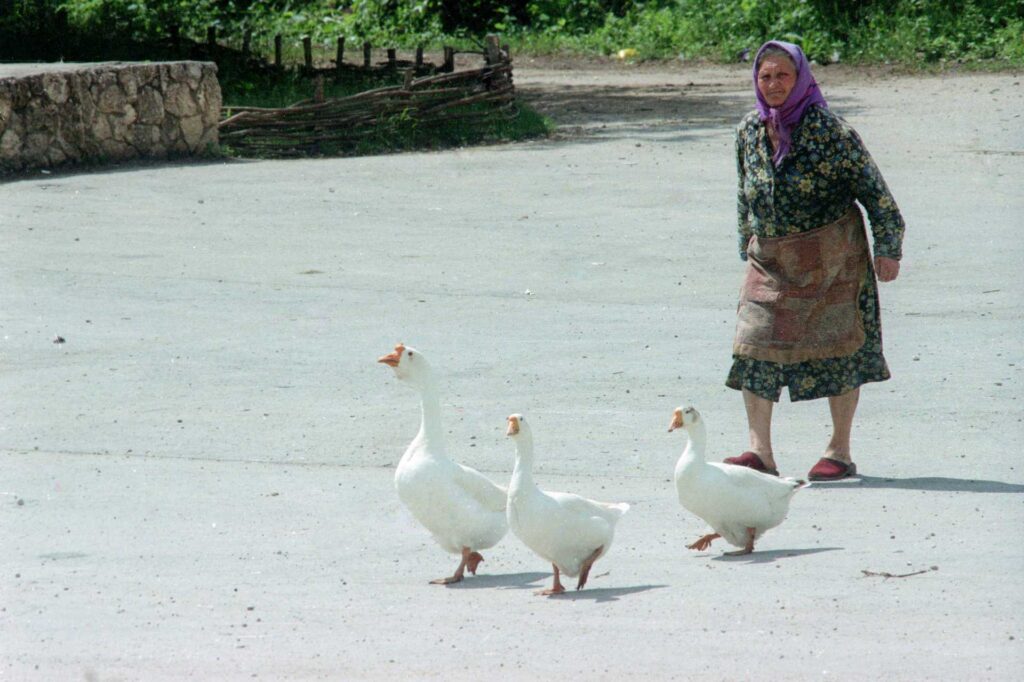
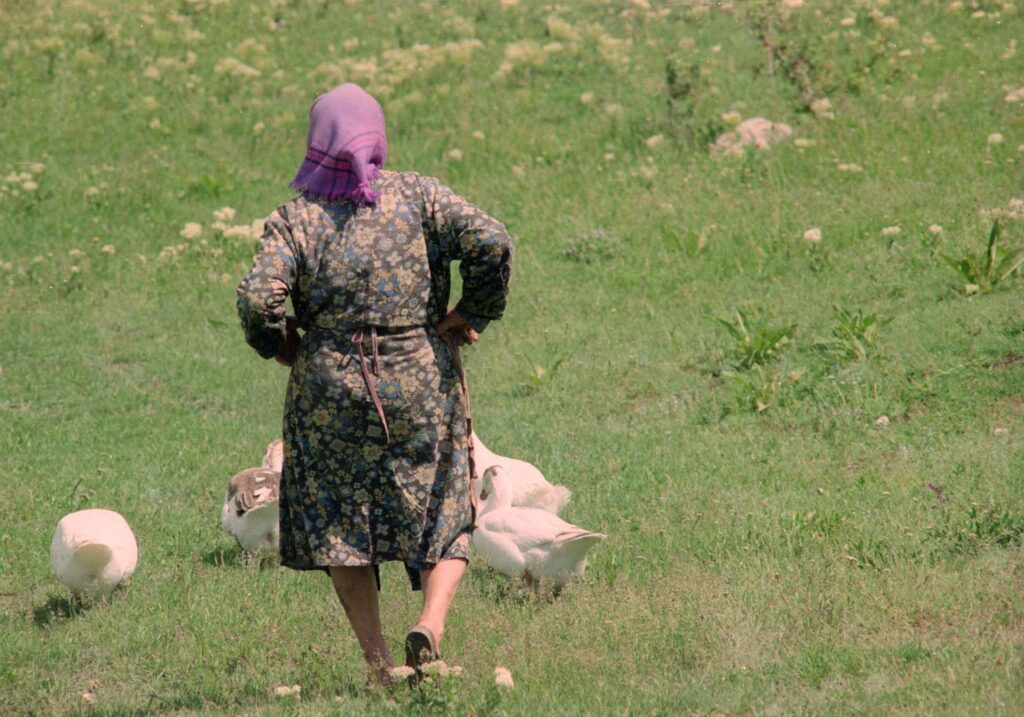
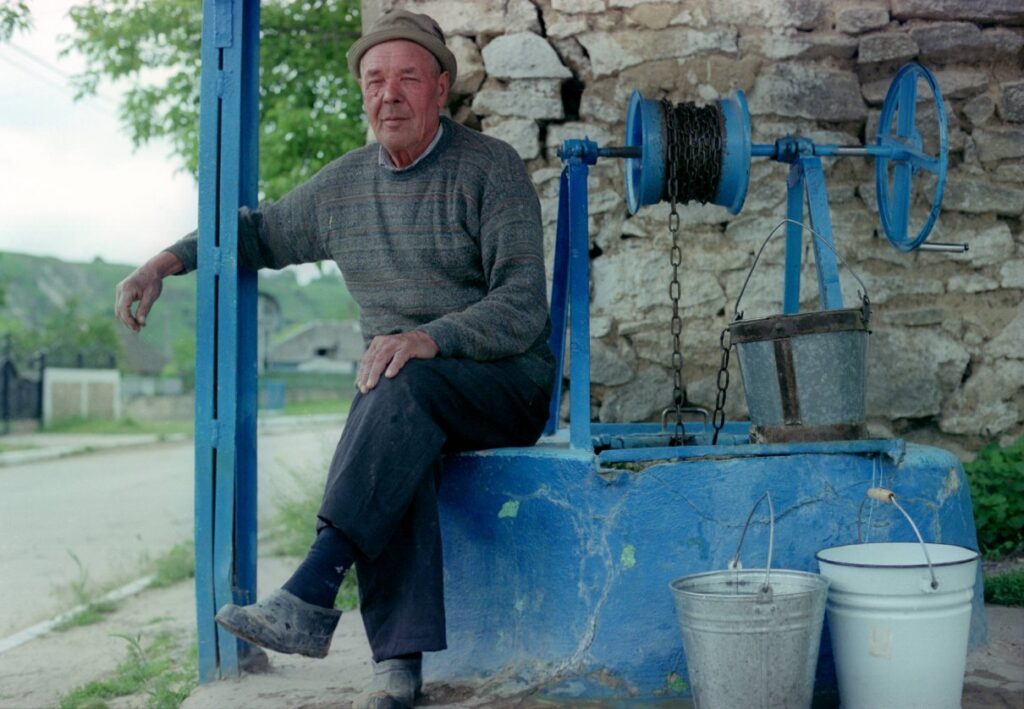
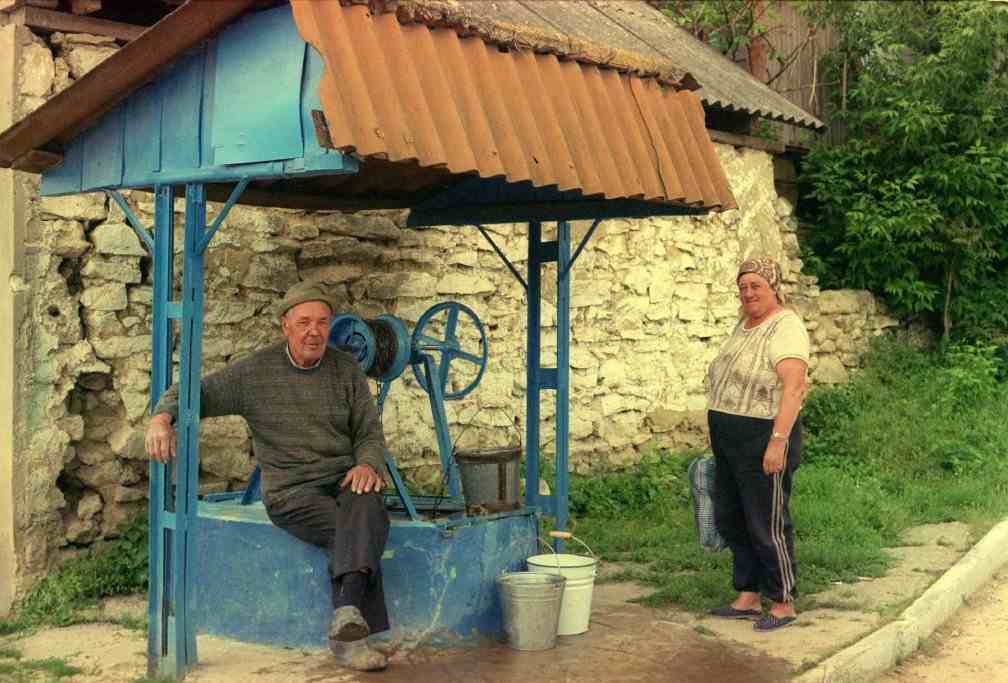
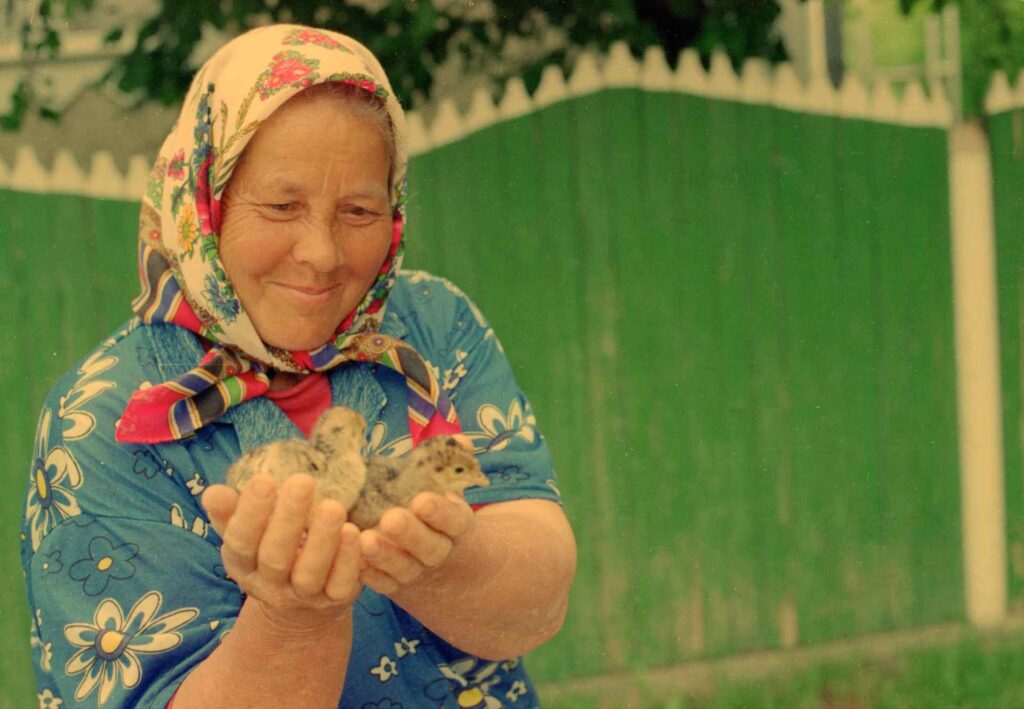
Besides agriculture and livestock farming, which were largely the preserve of the older generation, there were few employment opportunities in the area. Setting out in search of a better life was therefore the choice made by many of its inhabitants. This explains why a number of houses had been restored by emigrants. They would return once or twice a year, particularly during the summer, to spend time with their families.
Few young people remained. Many had left in search of better-paid jobs and greater opportunities, whether in the capital, Chișinău, or in neighbouring countries such as Russia and Romania, as well as elsewhere in Europe. The young woman I met in the local village shop was an exception. There seemed to be very little activity there, and I found myself wondering whether she, like so many others, was hoping for a better opportunity in life that would eventually take her away from that village.
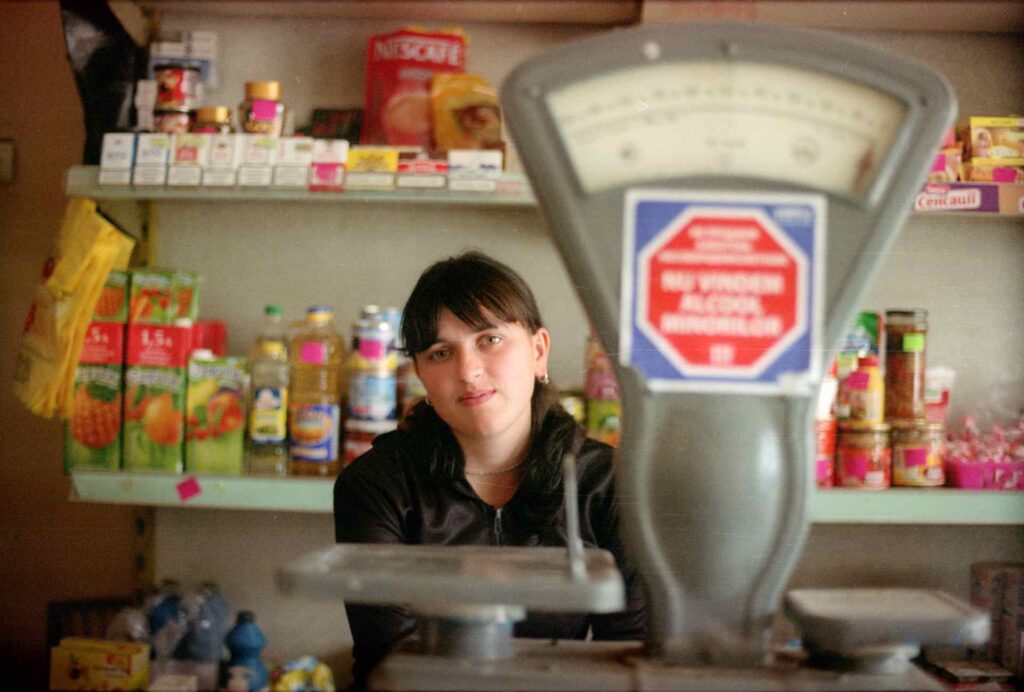
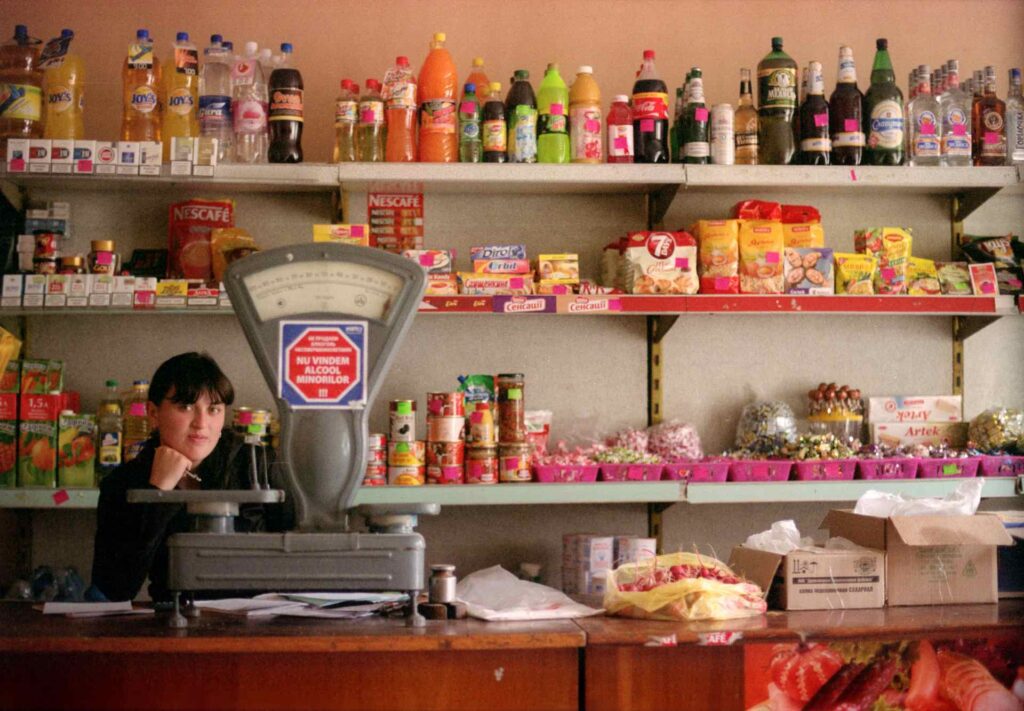
The young woman I met in the village shop in Trebujeni was no exception. There seemed to be very little activity there, and I found myself wondering whether she, too, was waiting for a better opportunity in life—one that, like so many others before her, would eventually lead her away from that village.
Against this backdrop of uncertainty, some of the older generation remained nostalgic for the Soviet era, which they associated with guaranteed employment and a sense of economic security. Many others, however, looked towards Europe, hoping for a future that would bring investment—particularly in infrastructure—as well as greater freedom to travel and work in other countries.
Between 2010 and 2026, this small area underwent a significant transformation, driven largely by the growth of rural tourism. Whereas sixteen years ago it was mainly Moldovans who travelled through these places, today they are increasingly visited by foreign tourists. The area now attracts around 150,000 visitors a year, making it the most visited tourist destination in Moldova.
MAYBE ONE DAY
Not knowing what awaited me and with only a few hours to spend there, I came away wishing I had been able to stay longer, acutely aware of how little I had come to understand about the people I had encountered along the way.
When we arrive in unfamiliar places, there is always a tendency to look for points of reference in what we already know. Perhaps superficially—and almost certainly mistakenly—some of what I found and photographed reminded me of my own country several decades ago, and more specifically of the rural area near Sintra where I grew up.

If Moldova were to join the European Union from 2030 onwards, it would likewise have a profound impact on the country, on this region, and on the people who live here.
I am left with the desire to return.
Maybe one day.